Water has a funny way of becoming invisible. We rely on it from the moment we wake up until we head to bed, yet most of us rarely stop to think about what’s actually flowing through the taps. It’s only when something changes—a strange taste, cloudy appearance, lingering odor, or stubborn mineral stains—that water suddenly becomes impossible to ignore.
The truth is, every home has a unique relationship with its water supply. Two neighboring houses can experience completely different water conditions because of plumbing materials, well depth, municipal infrastructure, or naturally occurring minerals. That’s why choosing the right treatment system isn’t about buying the most expensive equipment. It’s about understanding your home’s specific needs and making smart, informed decisions.
The good news? Finding better water doesn’t have to be complicated.
Every Water Supply Has Its Own Story
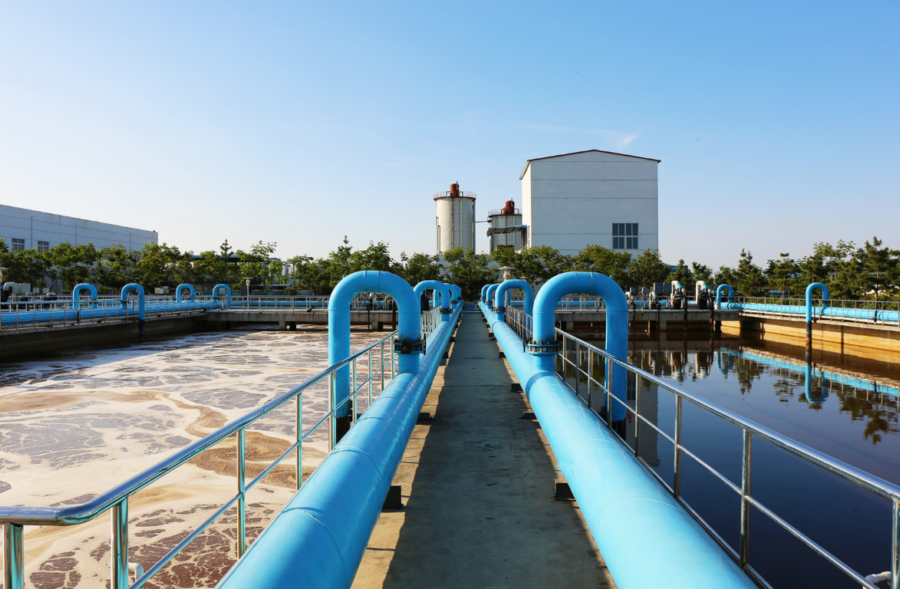
Water begins its journey long before it reaches your faucet. Depending on where you live, it may travel through reservoirs, underground aquifers, treatment plants, aging pipelines, or private wells. Along the way, it naturally picks up minerals and other substances that influence its taste, smell, and overall quality.
Some homeowners struggle with hard water that leaves chalky residue on faucets and dishes. Others notice chlorine odors, sediment, or water that simply doesn’t taste quite right. None of these situations are unusual—they’re simply different.
That’s why copying someone else’s solution doesn’t always work. What solved your neighbor’s water issue may have little effect on yours.
Understanding Before Buying
One of the biggest mistakes homeowners make is purchasing treatment equipment before identifying the actual problem. Marketing often makes it sound like one machine can solve everything, but real life isn’t quite that simple.
Water quality depends on numerous factors, including mineral content, contaminants, plumbing condition, and local water treatment methods. Installing equipment without understanding those variables often leads to disappointment.
Instead, professionals usually recommend starting with an evaluation. Once you know exactly what’s in your water, choosing the right solution becomes far more straightforward.
Why Personalized Treatment Makes More Sense
Every household has different priorities.
Some families simply want water that tastes better. Others are looking to reduce hard water buildup, protect expensive appliances, or improve the quality of water used for cooking and drinking. Larger households may require higher-capacity equipment than smaller homes.
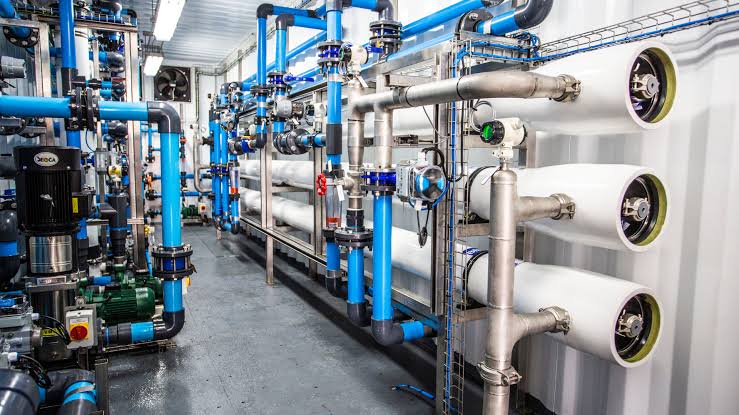
That’s exactly where custom water solutions become valuable. Instead of relying on generic recommendations, these systems are selected based on your home’s actual water profile, daily usage, and long-term goals.
It isn’t about adding unnecessary features. It’s about matching the solution to the problem.
Small Improvements You Notice Every Day
Many homeowners expect dramatic changes after installing water treatment equipment, but the biggest benefits often appear quietly.
Morning coffee tastes smoother. Tea brews more cleanly. Soap rinses away more easily during showers. Glassware comes out of the dishwasher with fewer spots. Even cooking vegetables can feel slightly different when cleaner water is part of the recipe.
These changes may seem minor individually, but together they improve countless daily routines.
It’s one of those home upgrades that rarely demands attention once it’s installed—it simply becomes part of everyday comfort.
The Value of Expert Installation
Even the highest-quality equipment can underperform if it’s installed incorrectly.
Water pressure, plumbing layout, drain connections, filter placement, and system calibration all influence how efficiently treatment equipment works. Improper installation may reduce performance, shorten equipment lifespan, or even create maintenance issues later.
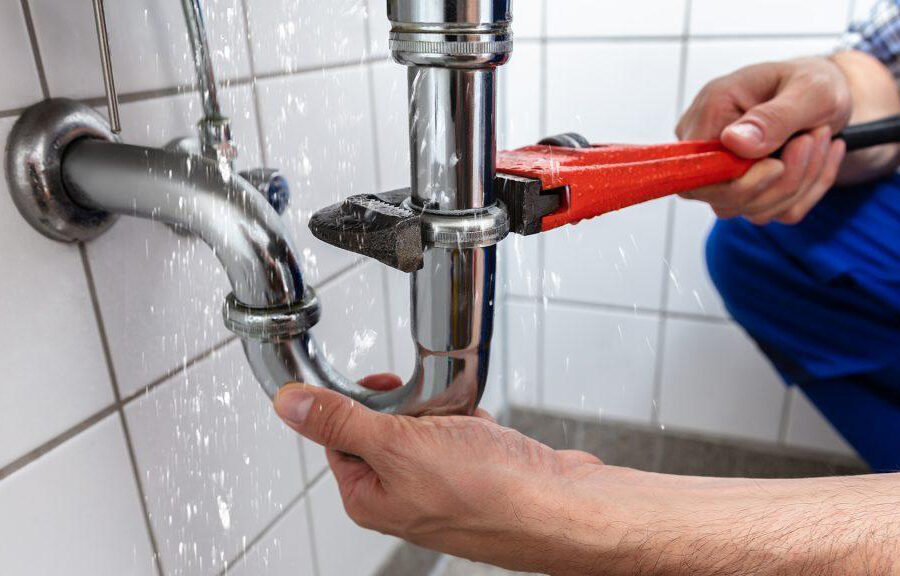
That’s why many homeowners appreciate professional installation rather than attempting complicated setups themselves. Experienced technicians understand how different systems interact with existing plumbing and can ensure everything operates as intended from the very beginning.
In many cases, proper installation also helps preserve manufacturer warranties and reduces the likelihood of unexpected repairs down the road.
Start with Facts Instead of Assumptions
People often guess what’s wrong with their water based on taste or appearance alone. While those observations can be helpful, they’re only part of the picture.
Clear water isn’t always free from concerns, and unpleasant-tasting water isn’t necessarily unsafe. The only reliable way to understand water quality is through testing.
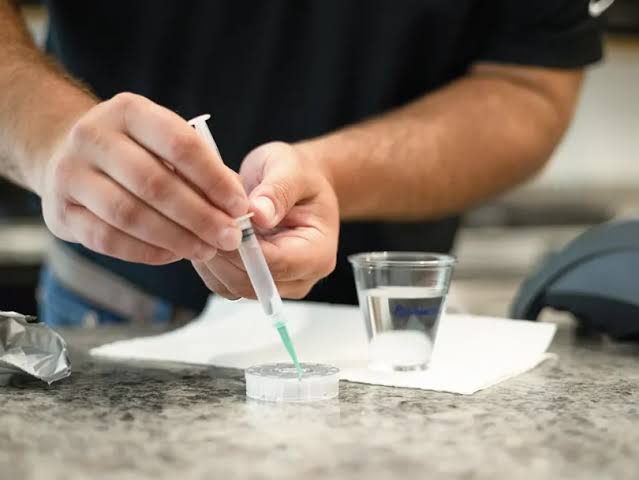
Many local providers offer a free water test, giving homeowners valuable insight into mineral content, hardness, chlorine levels, sediment, or other characteristics affecting water quality. This simple first step removes much of the guesswork from choosing treatment equipment.
Rather than spending money on unnecessary upgrades, testing helps you invest where it truly matters.
Water Quality Affects More Than Drinking
It’s easy to think of water treatment as something meant only for drinking water, but its impact reaches throughout the home.
Hard water can gradually reduce the efficiency of water heaters, washing machines, dishwashers, and coffee makers. Mineral deposits build up inside plumbing, soap becomes less effective, and cleaning often requires more effort than it should.
Improving water quality doesn’t just enhance taste—it also supports the performance of household systems that families rely on every day.
Over time, reducing wear on appliances may even help lower maintenance and replacement costs.
Maintenance Doesn’t Have to Be Difficult
Once a treatment system is installed, keeping it running efficiently is usually quite simple.
Most systems only require scheduled filter replacements, occasional inspections, or periodic servicing. Following recommended maintenance intervals helps preserve consistent water quality while extending equipment life.
Skipping maintenance rarely causes immediate failure, but gradual performance declines are common. Fortunately, routine care takes relatively little time and helps avoid much larger issues later.
Like changing the oil in your car, a little attention goes a long way.
Better Water Is an Investment in Everyday Living
Some home improvements are designed to impress visitors. Others quietly improve everyday life without anyone noticing.
Quality water falls into the second category.
Whether you’re preparing meals, making coffee, washing fresh produce, bathing children, or filling a reusable water bottle before work, water plays a role in countless daily routines. Improving that experience doesn’t require dramatic lifestyle changes—it simply makes ordinary moments feel a little better.
And sometimes, those ordinary improvements become the ones families appreciate most.
Final Thoughts
Choosing a water treatment system isn’t about following trends or buying the newest technology on the market. It’s about understanding your home’s unique water conditions and selecting equipment that genuinely addresses your needs.
Starting with proper testing, exploring personalized recommendations, and investing in quality installation creates a solid foundation for years of dependable performance. Along the way, you’ll likely notice better-tasting water, improved appliance efficiency, and greater confidence every time you turn on the tap.
In the end, better water isn’t really about equipment at all. It’s about making everyday life healthier, more comfortable, and just a little easier—one glass, one meal, and one day at a time.