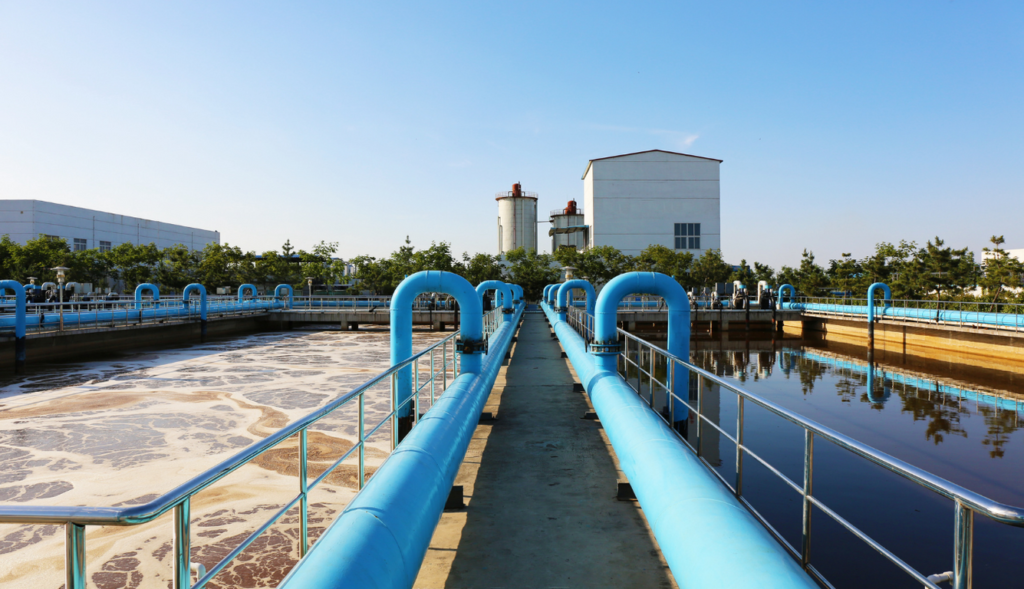
Water is one of those resources businesses often take for granted—until something goes wrong. A sudden change in water quality, a clogged system, equipment damage, or an unexpected interruption can turn an ordinary workday into a costly headache. For industries that depend heavily on water, the consequences can be even more serious.
From restaurants and hotels to manufacturing facilities, healthcare centers, and office buildings, reliable water management plays a bigger role than many people realize. It affects equipment, hygiene, operating costs, employee safety, and customer confidence. That’s why investing in the right water treatment approach isn’t simply a maintenance decision. It’s part of running a responsible, efficient business.
Water Quality Can Affect Daily Operations
Different businesses use water in very different ways. A restaurant needs water for food preparation, cleaning, and sanitation. A hotel relies on it for guest rooms, laundry, kitchens, and heating systems. A manufacturing facility may use water in cooling, processing, or production.
When water contains excessive minerals, sediment, bacteria, or other unwanted contaminants, it can create problems across these activities. Hard water, for instance, may leave scale inside pipes, boilers, water heaters, and other equipment. Sediment can affect flow and clog components, while certain contaminants may create health or compliance concerns.
The challenge is that water problems aren’t always obvious at first. A little buildup here, a slightly reduced flow there—it can take time before the issue becomes expensive. Regular testing helps businesses understand what’s actually in their water rather than relying on guesswork.
Start With Testing, Not Assumptions
Before choosing a treatment system, it’s important to understand the water source and the specific challenges involved. Municipal water, well water, and other sources can have different characteristics, and even businesses in the same area may experience different conditions.
A professional assessment may examine factors such as hardness, pH, sediment, iron, chlorine, total dissolved solids, and other contaminants relevant to the property or industry. The exact testing process should depend on the business’s water source and intended use.
For business owners, arranging a free consultation and water analysis can be a useful starting point when the provider offers that service. It creates an opportunity to discuss current concerns, review test results, and understand which treatment options may be appropriate.
The important thing is not to purchase equipment simply because it sounds advanced. A treatment system should address a real water-quality need.
What Commercial Water Treatment Can Include
There’s no universal solution that works for every commercial property. Water treatment systems are typically selected according to water chemistry, flow requirements, equipment demands, and the type of business.
Some common options include:
- Water softeners: These help reduce hardness minerals, particularly calcium and magnesium, which can contribute to scale buildup.
- Sediment filtration: These systems remove suspended particles such as sand, dirt, and rust, helping protect plumbing and equipment.
- Carbon filtration: Often used to improve taste, odor, and certain chemical characteristics, depending on the filter design.
- Reverse osmosis: RO systems can reduce many dissolved substances and are commonly used where more refined water is needed.
- Disinfection systems: Depending on the application, ultraviolet or other treatment methods may help manage microorganisms.
- Specialized filtration: Certain businesses may need treatment designed for specific contaminants or industrial processes.
Professional commercial water treatment solutions should be selected based on actual requirements rather than a one-size-fits-all package. A small café and a large manufacturing plant may both need cleaner water, but their systems, flow rates, and maintenance needs can be completely different.
Protecting Equipment From Avoidable Damage
Water-related equipment damage can be surprisingly expensive. Scale buildup inside a water heater or boiler, for example, can reduce heat-transfer efficiency and force the system to work harder. Over time, that may increase energy consumption and shorten equipment life.
In facilities with cooling towers, process-water systems, or specialized machinery, poor water quality can create additional concerns, including corrosion, scaling, and biological growth. These problems may affect performance and lead to unplanned maintenance.
Treatment alone, however, isn’t a magic shield. Equipment still needs inspections, cleaning, and proper maintenance. The real benefit comes from combining water-quality management with a consistent maintenance plan.
That combination can help businesses avoid the frustrating cycle of waiting for something to break before taking action.
Hygiene, Safety, and Customer Expectations
For businesses that serve the public, water quality is closely connected to cleanliness and trust. Hotels, restaurants, healthcare facilities, gyms, and care homes all have a responsibility to maintain appropriate water systems and follow applicable health and safety requirements.
Water used for drinking, food preparation, cleaning, and other purposes may have different treatment needs. Businesses should understand the standards that apply to their operations and work with qualified professionals when specialized testing or treatment is required.
Customers may never see the filtration equipment installed behind the scenes, but they notice the results. Clean facilities, reliable service, fresh-tasting water, and well-maintained amenities all contribute to a better experience.
Managing Costs Without Cutting Corners
At first glance, water treatment can seem like another operating expense. But the cost of untreated water problems can be much higher than expected.
Scale-related repairs, premature equipment replacement, production interruptions, and increased cleaning requirements can all affect a company’s budget. Efficient treatment may help reduce some of these costs, although the actual savings depend on the system, water conditions, usage, and maintenance.
Businesses should also consider ongoing expenses such as filter replacement, salt, electricity, service visits, and water waste. A system that looks affordable initially may not be the most economical choice over several years.
A good provider should explain both the initial investment and the long-term maintenance requirements clearly. There shouldn’t be any mystery around what it takes to keep the system working properly.
Choosing a Water Treatment Partner
The company installing a treatment system matters almost as much as the equipment itself. Businesses should look for providers who take time to understand their water source, operating environment, and specific concerns.
Useful questions include:
- What contaminants or water-quality issues does the testing identify?
- Is the recommended system sized for the property’s actual demand?
- What maintenance is required?
- How often do filters or other components need replacement?
- Are installation and service costs explained upfront?
- Does the provider have experience with similar commercial applications?
A reliable water treatment partner should be willing to explain the reasoning behind its recommendations. Clear communication is especially important when a system affects production, sanitation, or essential building services.
A Small Investment in Long-Term Reliability
Water management may not be the most visible part of a business, but it supports many of the things customers and employees depend on every day. Cleaner water can help protect equipment, support hygiene, and reduce the risk of avoidable operational problems.
The best approach is practical: test the water, identify the actual issue, choose suitable treatment, and maintain the system consistently. There’s no need to overcomplicate it.
When water quality is handled properly, businesses gain more than a filtration system. They gain greater confidence in their daily operations and a stronger foundation for long-term growth. And that’s one of the quieter ways a business thrive—by taking care of the essential details that keep everything else moving.