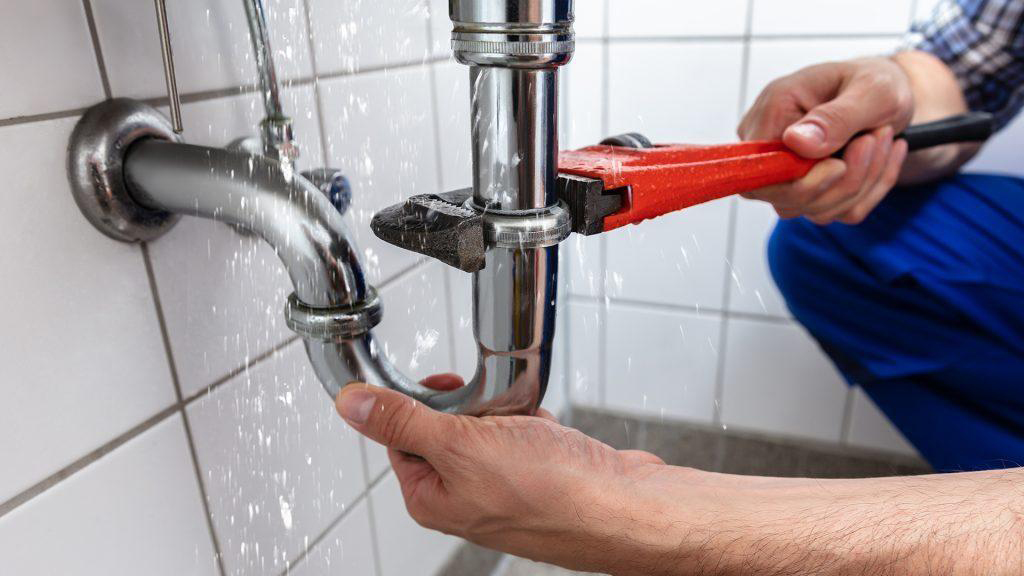
Plumbing is easy to overlook when everything is working as expected. Water flows from the taps, showers drain properly, toilets flush, and hot water is always ready when needed. But the moment a pipe starts leaking or a drain backs up, the importance of a dependable plumbing system becomes very clear.
Homeowners today have more options than they did in the past. Plumbing repairs are no longer limited to digging through floors, guessing where a blockage might be, or replacing entire sections of piping without a clear diagnosis. With better tools, improved materials, and more accurate inspection methods, professional plumbers can often identify and resolve problems with less disruption.
Still, technology alone doesn’t solve every issue. The experience of the technician, the quality of the materials, and the company’s approach to customer service all matter. Understanding how modern plumbing works can help homeowners make sensible decisions when repairs or upgrades become necessary.
The Growing Role of Advanced Plumbing Technology
The plumbing industry has changed significantly over the years. Today, advanced plumbing technology allows professionals to investigate problems more accurately and complete certain repairs more efficiently. Tools such as sewer cameras, electronic leak detection equipment, thermal imaging devices, and pressure testing systems provide information that was once difficult or impossible to obtain without extensive excavation.
For example, a sewer camera can travel through underground pipes and reveal cracks, root intrusion, blockages, corrosion, or collapsed sections. Instead of digging across an entire yard to find the source of a problem, technicians can often locate the affected area first and recommend a targeted solution.
Leak detection technology is also useful for identifying hidden water leaks behind walls, beneath floors, or under concrete. Some leaks produce very little visible water but can still cause structural damage over time. Detecting them early can reduce repair costs and prevent mold or wood rot.
These tools don’t replace professional judgment. They support it, helping plumbers make decisions based on evidence rather than guesswork.
Why Accurate Diagnosis Matters
One of the most common plumbing mistakes is treating the symptom instead of the cause. A homeowner may notice a slow drain and use a chemical cleaner, only to experience the same problem again a few days later. A plumber might clear the immediate blockage, but if the pipe is damaged or tree roots are entering the line, the issue will likely return.
Accurate diagnosis helps prevent this cycle. A professional may inspect water pressure, examine pipe connections, use a camera, or perform other tests depending on the symptoms. This process can reveal whether the problem is caused by buildup, poor installation, corrosion, shifting soil, or a larger system failure.
It may take a little longer than applying a quick fix, but understanding the actual cause often saves money in the long term. Repeated temporary repairs can become surprisingly expensive, especially when they delay necessary replacement or allow damage to spread.
The Importance of Emergency Plumbing Support
Some plumbing issues can wait for a scheduled appointment. Others simply cannot. A burst pipe, major water leak, sewage backup, or failed water shut-off valve can cause serious damage in a short amount of time.
For this reason, many homeowners prefer working with companies that have emergency services available. Quick assistance can help reduce water loss, protect flooring and furniture, and limit the risk of damage inside walls or ceilings.
When a plumbing emergency happens, the first step is to remain calm and identify what can safely be controlled. If possible, turn off the nearest fixture shut-off valve or the main water supply. Avoid using electrical appliances near standing water, and keep children and pets away from contaminated wastewater.
Not every company handles emergencies in the same way, so it’s worth asking about response times, after-hours charges, and the types of situations covered before a crisis occurs. Having this information in advance can make a stressful situation easier to manage.
Water Efficiency and Modern Plumbing Upgrades
Modern plumbing is not only about repairing damage. It can also help homeowners use water more efficiently. Older fixtures and appliances may consume more water than necessary, while hidden leaks can quietly increase monthly utility bills.
Low-flow showerheads, efficient toilets, water-saving faucets, smart leak sensors, and modern water heaters can reduce waste without sacrificing comfort. Some systems can even alert homeowners when unusual water usage is detected, helping them identify leaks before they become serious.
Water pressure management is another important consideration. Excessively high pressure can place stress on pipes, fixtures, and appliances. A pressure regulator or professional adjustment may help extend the life of the plumbing system and reduce the likelihood of leaks.
However, upgrades should be based on the home’s actual needs. Installing expensive equipment without understanding the existing system may not deliver the expected results. A plumbing professional can evaluate water usage, pipe condition, and household requirements before recommending improvements.
Choosing High-Quality Materials and Workmanship
Even the most sophisticated equipment cannot compensate for poor workmanship. A repair may look successful at first, but weak connections, incorrect fittings, or unsuitable materials can create problems later.
Choosing high-quality plumbing services means looking for a company that uses dependable materials and follows proper installation procedures. Quality work should focus not only on solving the immediate issue but also on preventing future failures.
Homeowners should ask what type of pipe, sealant, valve, or fitting will be used and whether the materials are suitable for the specific application. For example, materials used for drinking water systems may have different requirements from those used in drainage or outdoor applications.
A trustworthy plumber should also explain the expected lifespan of the repair, provide information about warranties, and clearly communicate any limitations. Good workmanship is an investment, especially when the job involves concealed pipes or major components that are difficult to access later.
Preventive Maintenance Still Matters
Technology can help identify plumbing problems, but regular maintenance remains one of the simplest ways to protect a home. Homeowners should inspect exposed pipes for moisture, rust, and corrosion. They should also watch for slow drains, unusual odors, fluctuating water pressure, and unexplained changes in water bills.
Kitchen drains should be protected from grease and heavy food waste. Bathroom drains benefit from strainers that catch hair and soap residue. Toilets should only be used for waste and toilet paper, since wipes and other products can create serious blockages.
Water heaters should be checked according to the manufacturer’s maintenance recommendations. Depending on the system, this may include inspecting the pressure relief valve, checking for leaks, flushing sediment, or evaluating the anode rod.
Older properties may benefit from periodic plumbing inspections, especially if the home has experienced repeated leaks, low pressure, or sewer backups. Preventive attention can reveal small issues before they become disruptive emergencies.
What to Consider Before Hiring a Plumber
When choosing a plumbing company, homeowners should consider more than the quoted price. Licensing, insurance, experience, communication, and customer reviews all provide useful insight into the quality of service.
Ask whether the company has handled similar problems before. A plumber experienced in routine drain cleaning may not be the right choice for trenchless pipe replacement, gas line work, or complex sewer repairs. Specialized projects require the right training and equipment.
Written estimates are also important. The estimate should explain labor, materials, potential additional costs, and the expected timeline. While hidden problems can sometimes appear during a repair, a professional company should communicate clearly before expanding the scope of work.
Final Thoughts
Modern plumbing technology has made home repairs more precise, efficient, and less disruptive in many situations. From camera inspections to leak detection and water-saving upgrades, these tools can help homeowners protect their properties and make better maintenance decisions.
But dependable plumbing is still built on the basics: skilled workmanship, quality materials, honest communication, and timely care. Technology is most useful when it is combined with practical experience and a clear understanding of the homeowner’s needs.
By choosing a qualified plumbing professional, responding quickly to warning signs, and investing in preventive maintenance, homeowners can avoid many unnecessary problems. A well-maintained plumbing system may not attract attention, but it quietly supports almost every part of daily life—and that makes it worth protecting.