Water is part of nearly every ordinary moment at home. It fills the morning kettle, rinses vegetables, runs through the washing machine, and turns an exhausting day into a warm shower. Because it is so familiar, people often assume that the water coming from the tap is always the same and always suitable for every purpose. In reality, water quality can vary considerably depending on its source, local conditions, plumbing, and treatment processes.
A strange taste, mineral deposits around the sink, or dry skin after bathing may be more than a minor annoyance. These signs can indicate a water-quality issue that deserves attention. Understanding the basics of household water and choosing the right treatment approach can help protect appliances, improve comfort, and support safer daily use without turning the process into a confusing technical project.
Why Household Water Quality Deserves Attention
Water quality is not limited to whether water looks clear. Many substances that affect water cannot be seen, smelled, or tasted. Depending on the source, water may contain minerals, disinfectants, sediment, microorganisms, or naturally occurring contaminants.
For some households, the main concern is hard water and the scale it leaves behind. For others, the issue may be chlorine taste, iron staining, unpleasant odors, or concerns connected to an aging plumbing system. Private well owners may face different challenges from families connected to a public supply.
These issues do not all carry the same level of importance. Some mainly affect comfort and maintenance, while others may require prompt investigation because of potential health concerns. The key is to avoid guessing. A water problem should be identified through reliable testing and professional guidance rather than assumptions based only on appearance.
Knowing Where Your Water Comes From
The first step in understanding water quality is identifying its source. Most homes receive water from either a municipal system, a private well, or a shared community supply. Each source has its own characteristics and potential concerns.
Water from a public supply is usually treated and monitored according to local regulations. However, treatment at the utility level does not mean every home has identical water quality at the tap. Water can pick up minerals or metals as it travels through distribution lines and household plumbing. The condition and age of pipes can also influence taste and appearance.
Well water is more directly influenced by local geology and groundwater conditions. It may contain elevated levels of hardness minerals, iron, manganese, sulfur, or other substances. Well owners are generally responsible for arranging testing and maintaining their own systems, which makes regular monitoring especially important.
Understanding the source helps determine which tests are appropriate and which treatment options may be worth considering.
What Municipal Water Can and Cannot Tell You
Many households assume that municipal water requires no additional attention because it has already been treated. Public water systems are generally subject to testing and treatment requirements, but water quality can still vary between locations and over time.
Disinfectants such as chlorine or chloramine may be used to control microorganisms. These treatments are important for maintaining water safety through the distribution network, but some people notice their taste or smell. In other cases, old plumbing may contribute to metallic flavors, discoloration, or elevated levels of certain metals.
A point-of-use filter may improve taste and odor, but it should be selected according to what it is certified to reduce. A basic carbon filter, for example, may help with chlorine but is not automatically designed to remove every contaminant.
Homeowners should also understand that utility water reports describe the broader supply system. They may not reflect conditions inside a specific home’s plumbing. If there is a persistent concern, testing at the tap can provide more relevant information.
The Value of Water Testing
Water testing is one of the most practical ways to replace uncertainty with useful information. It helps homeowners understand what is present and prevents them from buying equipment that does not address the actual problem.
A basic test may include pH, hardness, iron, manganese, chlorine, total dissolved solids, and other common indicators. Depending on the location and water source, additional testing may be appropriate for bacteria, nitrates, lead, arsenic, or other contaminants.
Private wells should be tested regularly, particularly after flooding, heavy rainfall, repairs, or changes in taste and odor. Families with infants or people who may be especially vulnerable to certain contaminants should speak with a qualified professional about whether more frequent or specialized testing is appropriate.
The laboratory or service provider should explain the results clearly. A report full of numbers is only useful when homeowners understand which results matter, whether they exceed recommended limits, and what action—if any—is necessary.
Why One Treatment System Does Not Fit Every Home
Water treatment is often discussed as if one machine can solve every problem. In practice, treatment equipment is designed for specific conditions. A softener is not a universal filter, and a reverse osmosis system is not always the right answer for whole-house water concerns.
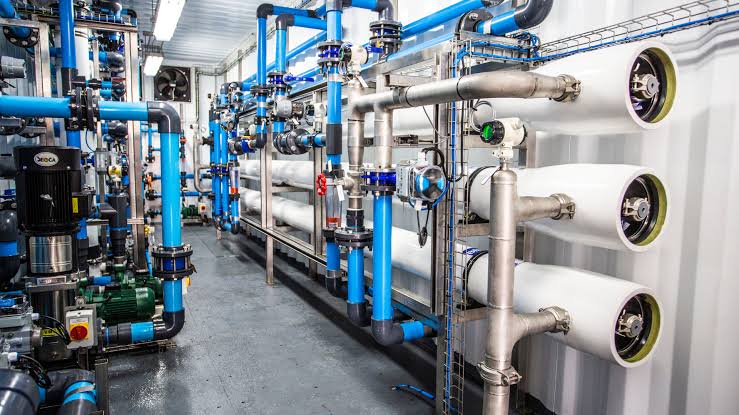
Sediment filters can reduce suspended particles such as sand, dirt, and rust. Carbon filters are often used to improve taste and odor and reduce certain chemicals. Water softeners address hardness minerals, helping reduce scale in pipes, fixtures, and appliances. Reverse osmosis systems are commonly used for targeted drinking-water treatment, while ultraviolet systems may be considered for certain microbial concerns.
The best choice depends on test results, household size, water usage, budget, and maintenance preferences. A family that mainly wants better-tasting drinking water may need a different setup from a property dealing with hard water throughout the plumbing.
Treatment Should Be Tailored for Real Household Needs
The most useful water system is one that is tailored for every household, rather than copied from a neighbor or selected because it is heavily advertised. Household needs differ in ways that are easy to overlook.
A small apartment may have limited installation space and modest water usage. A large family may need equipment capable of handling several fixtures at once. A home with a private well may require treatment for minerals or microorganisms, while another property may only need a filter for taste and odor.
Maintenance preferences matter, too. Some systems require salt, cartridge replacements, membrane changes, backwashing, or periodic professional servicing. Before purchasing, homeowners should consider not only the initial price but also the time, supplies, and ongoing costs involved.
A professional assessment can help determine the correct system size, flow rate, placement, and treatment method. The goal is not to install the most equipment possible. It is to install what is necessary and useful.
Installation and Maintenance Are Part of the Solution
Even a high-quality treatment unit may fail to perform properly if it is installed incorrectly. Water pressure, pipe size, drainage, electrical access, and available space all need to be considered.
Equipment should be positioned where filters, tanks, valves, and connections can be reached without difficulty. A system hidden in an awkward corner may be neglected simply because routine care becomes inconvenient.
Maintenance should follow the manufacturer’s recommendations. Filters that are not replaced on time may restrict water flow or lose effectiveness. Water softeners need appropriate salt levels and periodic checks. Reverse osmosis systems require filter and membrane changes, while ultraviolet systems may need lamp replacement and cleaning.
Keeping a simple maintenance schedule can prevent small problems from becoming expensive repairs.
Making Better Water Decisions Over Time
Household water quality is not a one-time issue. Conditions can change because of weather, construction, plumbing deterioration, groundwater movement, or changes in the public supply. Regular observation and periodic testing help homeowners stay informed.
The smartest approach is straightforward: identify the water source, test when needed, understand the results, and choose treatment equipment based on evidence. Avoid dramatic claims and systems that promise to solve every possible problem without explaining how they work.
Reliable water care does not have to be complicated. With sensible planning and consistent maintenance, homeowners can improve everyday comfort, protect plumbing and appliances, and make more informed decisions about the water their families use every day.