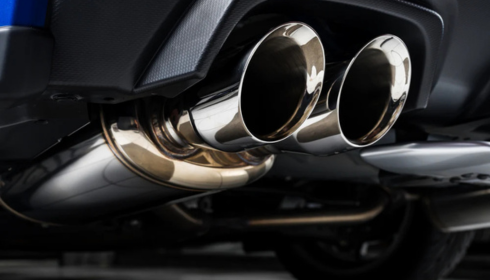
When it comes to unlocking the true potential of modern BMW M cars, enthusiasts rarely settle for stock performance. Models like the BMW M5 G90, BMW M5 G99, and BMW M3 G80 are already engineering marvels—but with the right upgrades, they can become absolute monsters on the road or track. One of the most talked-about modifications today is upgrading downpipes and secondary exhaust components.
Let’s break it down in a practical, real-world way.
Understanding Downpipes in BMW M Cars
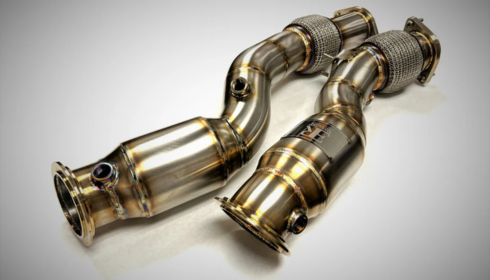
Downpipes are a crucial part of your car’s exhaust system. They connect the turbochargers to the rest of the exhaust and play a major role in controlling airflow and emissions. In stock form, BMW installs restrictive catalytic converters to meet emission standards.
Performance downpipes, on the other hand, reduce that restriction. The result? Better airflow, improved turbo efficiency, and noticeable gains in horsepower and torque.
For performance enthusiasts, this is often one of the first upgrades—and for good reason.
Why Upgrade Secondary Downpipes in M5 G90 & G99
When discussing bmw m5 g90 g99 secondary downpipes, it’s important to understand that these components sit further down the exhaust system. While primary downpipes handle initial exhaust flow, secondary downpipes refine the system’s efficiency and sound.
Upgrading them offers several benefits:
- Enhanced exhaust flow: Reduces backpressure for smoother engine breathing
- Improved sound profile: A deeper, more aggressive tone without being overly loud
- Better thermal management: Helps reduce heat buildup in the exhaust system
- Supporting higher power builds: Especially useful when paired with ECU tuning
In high-performance cars like the M5 G90 and G99, even small improvements in airflow can translate into serious gains. These vehicles already push engineering limits, so secondary upgrades help extract that extra edge.
Downpipes for BMW M3 G80: What Makes Them Popular
The bmw m3 g80 downpipes upgrade is extremely popular among tuners—and not just for power gains. The S58 engine found in the M3 G80 responds exceptionally well to exhaust modifications.
Here’s why many owners go for it:
- Immediate performance boost: Gains of 20–40 horsepower (with tuning)
- Quicker turbo spool: Reduced lag means faster acceleration
- Aggressive exhaust note: A raw, sporty sound that defines M performance
- Compatibility with stage upgrades: Essential for Stage 2 tuning setups
What makes the M3 G80 special is how balanced it is. With the right downpipes, you don’t just get more power—you get a sharper driving experience overall.
Things to Consider Before Installing Downpipes
Before you jump into upgrading, there are a few practical points to keep in mind:
1. Legal Compliance
Performance downpipes often remove or modify catalytic converters. This may not be road-legal in all regions, including parts of India.
2. ECU Tuning Requirement
Most downpipe upgrades require a tune to avoid check engine lights and to maximize performance gains.
3. Heat and Sound Levels
Expect higher exhaust temperatures and louder sound output. While many love the aggressive tone, it may not suit everyone.
4. Warranty Impact
Modifying exhaust components can void manufacturer warranties. Always weigh the pros and cons.
Final Thoughts: Is It Worth It?
If you’re someone who enjoys pushing your car beyond factory limits, downpipe upgrades are absolutely worth considering. Whether it’s the M5 G90/G99 or the M3 G80, these cars are built to perform—and with the right modifications, they truly come alive.
That said, upgrades should always match your goals. If you want a daily driver with subtle improvements, go for milder setups. But if you’re chasing performance, speed, and that unmistakable exhaust roar—downpipes are a game-changer.
At the end of the day, it’s not just about numbers. It’s about how the car feels when you press the throttle—and that’s something every BMW enthusiast understands.