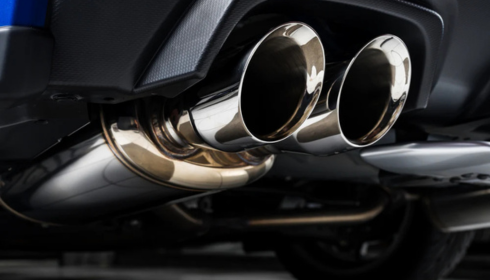
Modern performance cars already leave the factory with impressive engineering, but enthusiasts are always looking for ways to unlock a little more sound, response, and personality. That’s exactly why exhaust modifications continue to grow in popularity among owners of high-end German performance cars. Whether it’s an Audi RS model or BMW’s latest M platform, downpipe upgrades have become one of the most talked-about modifications in the tuning scene.
For many drivers, the goal is not simply about making a car louder. It’s about improving turbo efficiency, sharpening throttle response, and giving the vehicle a more aggressive character that better matches its performance potential. When properly installed and tuned, quality downpipes can transform the driving experience in surprisingly noticeable ways.
Understanding How Downpipes Affect Performance
A downpipe is one of the key components in a turbocharged exhaust system. Positioned directly after the turbocharger, it helps move exhaust gases away from the engine more efficiently. Factory systems are often designed with strict emissions regulations and noise limits in mind, which can restrict airflow more than performance enthusiasts would prefer.
Aftermarket downpipes usually feature smoother bends, larger pipe diameters, and less restrictive catalytic sections. This allows exhaust gases to flow faster, helping the turbo spool more efficiently. The result can include quicker acceleration, improved throttle response, and a more aggressive exhaust tone.
Drivers who enjoy spirited driving often notice that the car feels more alive after the upgrade. The engine breathes easier, and turbo lag can feel reduced under acceleration.
Audi RS Models Continue to Dominate the Tuning Scene
Audi’s RS lineup has built a strong reputation for combining luxury, daily comfort, and serious performance. The RS4 and RS5, in particular, have become favourites among enthusiasts because of their powerful turbocharged engines and Quattro all-wheel-drive systems.
One of the most common upgrades for these platforms is audi rs4 rs5 downpipes. Owners often choose this modification because it complements ECU tuning exceptionally well. When paired with a proper software calibration, the gains can feel dramatic compared to stock performance.
Another reason these upgrades are so popular is the sound improvement. Factory exhaust systems on modern performance cars can sometimes feel too muted due to increasingly strict regulations. Upgraded downpipes help restore the deeper, sharper exhaust note many enthusiasts expect from an RS vehicle.
Still, it’s important to remember that not every setup is ideal for every driver. Some people prefer catted systems for a more refined daily driving experience, while others go for catless options focused purely on performance and maximum sound output.
BMW’s New M5 Platform Is Already Becoming a Tuning Favourite
BMW’s latest M5 generation, including both the G90 sedan and G99 touring models, has quickly captured attention worldwide. These vehicles combine advanced hybrid technology with serious power figures, creating one of the most technically advanced M cars ever built.
Despite being relatively new, aftermarket support is already expanding rapidly. Enthusiasts are especially interested in bmw m5 g90 g99 secondary downpipes because they provide a balance between performance improvement and manageable installation complexity.
Secondary downpipes are often viewed as a more moderate modification compared to primary downpipe upgrades. They can improve exhaust flow and sound characteristics without drastically altering the vehicle’s behaviour. For many owners, this creates the ideal middle ground between everyday usability and enhanced driving excitement.
The sound difference alone is often enough to convince enthusiasts. BMW’s modern turbocharged engines have incredible performance potential, but many owners want a more emotional exhaust note that better reflects the car’s capabilities. Secondary downpipes help deliver a deeper and more engaging tone without completely overwhelming the cabin during normal driving.
Choosing the Right Components Matters
Not all exhaust parts are manufactured to the same standard. Material quality, weld consistency, heat resistance, and fitment precision all play major roles in long-term reliability and performance. Cheap components may initially seem attractive because of lower pricing, but poor fitment and durability issues can quickly create frustration.
Most experienced enthusiasts recommend stainless steel systems from reputable manufacturers. High-quality components tend to offer better corrosion resistance and cleaner installation results. This becomes especially important on vehicles that see regular road use in varying weather conditions.
Professional installation is also highly recommended. Modern Audi and BMW platforms contain sophisticated sensors, emissions systems, and tight engine bay packaging. Proper fitting ensures the system performs correctly while minimising the risk of warning lights or leaks.
Final Thoughts
Performance exhaust upgrades remain one of the most rewarding modifications for modern turbocharged vehicles. They can improve sound, sharpen responsiveness, and help unlock additional performance when combined with supporting modifications.
For Audi RS owners, upgraded downpipes provide a more aggressive driving experience that better matches the vehicle’s true personality. Meanwhile, BMW’s latest M5 platform is already proving to be an exciting foundation for enthusiasts looking to personalise and enhance their cars.
As always, choosing quality parts and working with experienced installers makes a significant difference. A properly designed exhaust upgrade should not only increase performance but also preserve the refinement and engineering excellence these premium performance vehicles are known for.