Blog

  • Fashion PR Agency London: Where Style Meets Strategic Branding?

    Fashion PR Agency London: Where Style Meets Strategic Branding?

    In the bustling world of fashion, where trends change as swiftly as the seasons, standing out and making a lasting impression is important. This is where the expertise of a Fashion PR Agency comes into play. These agencies serve as the bridge between fashion brands and the public, orchestrating strategic campaigns that not only highlight the style quotient but also craft a compelling brand narrative. London, as a global fashion hub, hosts a plethora of these agencies that excel in merging style with strategic branding, propelling fashion brands into the spotlight like never before.

    The Power of Image Projection

    In the digital age, image projection has become a pivotal aspect of any fashion brand’s success. Fashion PR agencies understand the nuances of projecting an image that resonates with the target audience. From choosing the right influencers to curating aesthetically pleasing social media feeds, these agencies craft an image that becomes an embodiment of the brand’s essence. The result? A brand that is not only fashionable but also relatable, making it an integral part of the consumers’ lifestyle.

    Creating Buzz with Events

    The fashion industry thrives on events – be it runway shows, product launches, or exclusive parties. Fashion PR agencies are the maestros behind orchestrating these events that generate buzz and anticipation. From selecting the perfect venue that aligns with the brand’s ethos to curating guest lists that include industry insiders and celebrities, every detail is meticulously planned. These events not only showcase the latest collection but also cement the brand’s position in the industry while garnering media attention.

    Storytelling: Beyond Just Clothes

    Fashion is not just about clothes; it’s about the stories woven into the fabric. Fashion PR agencies are adept at tapping into these narratives and presenting them in a way that resonates with the audience. Whether it’s a brand’s commitment to sustainability, the inspiration behind a collection, or the journey of the designer, these agencies craft narratives that humanize the brand. This storytelling approach creates a deeper connection with consumers, making them more invested in the brand’s journey.

    Influencer Collaborations

    Influencer collaborations have become an integral part of fashion PR strategies. Identifying the right influencers whose style aligns with the brand and whose audience matches the target demographic is no small feat. Fashion PR agencies handle this intricate task, ensuring that the collaboration feels genuine and not forced. This approach not only extends the brand’s reach but also lends it credibility through association with well-regarded figures in the fashion and lifestyle space.

    The London Edge

    London’s fashion scene is unlike any other. It’s a melting pot of cultures, styles, and influences, making it a dynamic playground for fashion PR agencies. These agencies capitalize on the city’s diversity to create campaigns that are not only visually appealing but also culturally resonant. The ability to tap into London’s unique pulse gives these agencies an edge, allowing them to create campaigns that cater to a global audience while retaining a distinct local flavor.

    Conclusion

    Fashion PR agencies serve as the choreographers, orchestrating moves that captivate and mesmerise. Their expertise lies not only in understanding fashion trends but also in comprehending the nuances of branding and communication. Among the distinguished agencies that have mastered this art, The Lifestyle Agency stands as a shining example of where style seamlessly meets strategic branding. With a portfolio that boasts successful collaborations, unforgettable events, and narratives that tug at heartstrings, thelifestyle-agency.com has proven its mettle in propelling fashion brands into the limelight, solidifying London’s position as a fashion capital. So, the next time you see a fashion brand making waves, remember that behind the scenes, a dedicated team of PR experts is weaving the magic that fuses style with strategic branding.

  • How to Install a Power Strip in Tight Spaces or Behind Furniture?

    How to Install a Power Strip in Tight Spaces or Behind Furniture?

    Power strips are a simple solution for adding more outlets where you need them most, but installing them in tight spaces or behind furniture can pose some unique challenges. Whether you’re looking to power multiple devices behind your entertainment center or tidy up the area behind your desk, knowing how to safely and efficiently install a power strip in such areas is essential. In this article, we’ll guide you through the process and offer tips for a clean, functional setup.

    Why Install Power Strips in Tight Spaces?

    There are many reasons why you might want to install a power strip in a hard-to-reach place:

    • Decluttering: Power strips can help consolidate multiple cords, especially in areas like home theaters, offices, or behind entertainment units.
    • Convenience: Having an easily accessible power strip behind furniture or appliances allows you to plug in and unplug devices with ease.
    • Safety: Keeping cords organized and tucked out of sight can reduce tripping hazards and create a safer, more streamlined living space.

    However, installing power strips in tight spaces does require a bit of planning to ensure safety and prevent any issues down the road.

    Steps to Install a Power Strip in Tight Spaces1. Choose the Right Power Strip

    Before diving into installation, make sure you choose the right power strip for your needs. For tight spaces or places where access may be limited, consider a flat power strip or one with a low-profile design. These types of strips are great for squeezing into small, narrow spaces without taking up too much room.

    If you plan on using high-power devices, such as computers, televisions, or other electronics, opt for a power strip with surge protection to safeguard your devices from power surges. Brands like GONEO offer high-quality surge-protected power strips that are designed to keep your devices safe while offering ample outlets in a sleek, space-saving form.

    2. Check the Space and Plan Your Placement

    Measure the space where you plan to install the power strip, ensuring it will fit comfortably without being obstructed. If you’re placing it behind furniture, ensure there’s enough airflow to prevent overheating. Overcrowded spaces without proper ventilation can cause the power strip to overheat, leading to potential fire hazards.

    Plan where the power strip will be placed relative to your devices. For example, if it’s behind a television, make sure the cables from the strip can reach your TV, gaming console, or sound system without stretching or placing strain on the plugs.

    3. Secure the Power Strip to the Wall or Furniture

    For a clean and safe installation, you should secure the power strip in place to avoid any accidental pulls or damage to the wires. There are several ways to mount a power strip:

    • Adhesive Mounts: Many power strips come with adhesive strips or mounting hardware. If your power strip has a flat back, you can use double-sided tape or command strips to affix it to the back of a piece of furniture or a wall. This is especially useful for placing strips behind a desk or entertainment center where it may be hard to reach.
    • Screws or Hooks: If you want a more secure, permanent solution, you can screw the power strip directly to the wall or underside of furniture. Be sure to drill holes carefully and avoid any electrical wiring inside the walls.

    For those who prefer a less permanent setup, removable adhesive hooks or velcro strips can work as well, offering flexibility without damage.

    4. Use Cable Management for Neatness

    Once your power strip is installed, use cable ties or cable clips to organize the cables running from the strip to your devices. This will not only help reduce the clutter but also prevent cables from becoming tangled or damaged. Running cables neatly along walls or furniture can also prevent them from being accidentally unplugged or yanked.

    Cable organizers can also be attached to the power strip itself or the wall to keep everything tidy and easy to access. Be sure to leave some slack in the cables to avoid stress on the connections.

    5. Ensure Proper Ventilation

    Ventilation is crucial when installing power strips in tight spaces. Power strips generate heat during use, and if they are placed in an area with little airflow, they can overheat and cause damage to both the strip and connected devices. Ensure the power strip is not tightly enclosed and has adequate space around it for air circulation.

    If the space is extremely narrow, you might consider using a fan-cooled power strip or one designed specifically for high-heat environments. GONEO, for example, offers power strips made with materials that promote better heat dissipation.

    Safety Considerations

    • Avoid Overloading: Never overload your power strip by plugging in too many high-power devices. Check the wattage rating of the power strip to ensure that the total load doesn’t exceed its capacity.
    • Avoid Daisy-Chaining: Never plug one power strip into another, as this can lead to overheating and potential fire hazards.
    • Check for Damage: Periodically inspect your power strip for signs of wear and tear. If any wires or connections are exposed, replace the strip immediately.

    Conclusion

    Installing a power strip in tight spaces or behind furniture is an excellent way to create a clean, organized, and safe environment. By choosing the right power strip, securing it properly, and maintaining good cable management, you can enhance the functionality of your space without sacrificing safety.

    AD_4nXf8kagMLgr8TFZp0PIBqBfeFmxd47-I7XlN4i0g9BVsN2wC0QyeXp2IvmZ1XqviBc-Vds-Xh3Kmp36CzBS8wn3efb9toHGuSHWwYTpbtKOFGptuCPq26JgDZOX1x4HhfYyg3M-e?key=HStSoZz-qkrYxA9PrrsljvkV

    When choosing your power strip, remember that GONEO offers high-quality models with surge protection and efficient cooling features, making them ideal for tight spaces or areas with limited ventilation. With proper installation and attention to safety, you can power your devices with confidence and keep your space clutter-free.

  • From Citrus Groves to Drive-Thrus: How QSR Real Estate Tells the Story of Florida’s Urban Growth

    From Citrus Groves to Drive-Thrus: How QSR Real Estate Tells the Story of Florida’s Urban Growth

    In Florida, the transformation from open land to bustling city blocks has taken just a few decades. Where there were once citrus groves, cow pastures, and quiet lakeside towns, now stand shopping plazas, medical corridors, and sprawling suburbs. But if there’s one thread that quietly connects these shifts across time and place—it’s the humble QSR.

    Yes, the fast-food joint with a double drive-thru and a glowing menu board isn’t just about burgers. It’s a milestone marker in the story of how cities like Tampa and Lakeland have grown, adapted, and redefined their identity.

    QSR Real Estate: A Time Capsule of Suburbanization

    Each new QSR development reflects a deeper truth about where a community is headed. In the 1980s, it meant accommodating suburban sprawl. In the 2000s, it aligned with highway expansion and commuter corridors. Today, it signals walkable density, mixed-use design, and tech-integrated lifestyles.

    This trajectory is made possible by strategic insight from Tampa real estate developers and Lakeland real estate developers who understand how lifestyle trends translate into land use—and how a well-placed QSR site can both follow and fuel regional growth.

    Lakeland: Where Suburban Storylines Take Root

    In Lakeland, once a quiet town defined by railroads and agriculture, the rise of modern commercial real estate has reshaped its outer neighborhoods. Here, QSR sites often anchor entire retail corridors, serving new housing developments, schools, and healthcare centers.

    But it’s not just about food—it’s about functional landmarks. A fast-casual restaurant becomes the meeting point for families after soccer games. A drive-thru coffee shop becomes part of the daily rhythm for thousands of commuters.

    Behind this development is careful planning—developers like Lawrence Todd Maxwell assessing traffic flows, zoning permissions, and growth forecasts long before the first structure rises.

    Tampa: Urban Intensity Meets QSR Evolution

    Tampa tells a different—but complementary—story. As the city densifies, QSR real estate is adapting. Standalone buildings give way to multi-lane drive-thrus with smart traffic loops, or QSR-integrated ground floors of mixed-use developments in neighborhoods like Hyde Park or Westshore.

    Here, Tampa real estate developers are challenged not just by demand, but by limited space, evolving regulations, and the need to preserve urban character. QSRs in Tampa must now blend form with function—serving both a high-volume consumer base and the aesthetic demands of a modernizing city.

    Why QSR Real Estate Is More Than Meets the Eye

    It’s easy to overlook the strategic value of a drive-thru. But the most successful QSR sites are the result of:

    • Demographic forecasting
    • Infrastructure alignment
    • Consumer behavior modeling
    • Municipal collaboration and long-term land use vision

    In Florida’s booming cities, where population growth and consumer habits evolve rapidly, QSR real estate is both a responsive and proactive form of development.

    Final Thought: The Drive-Thru as a Development Diary

    Every QSR project may start with a floor plan and a menu—but in the broader sense, it’s a chapter in the unfolding book of Florida’s urban identity. These projects capture the spirit of the time: what people value, how they move, where they live, and how communities connect.

    And through the lens of visionary Lakeland real estate developers and Tampa real estate developers, QSR real estate continues to be more than just fast food—it’s a symbol of smart, adaptive growth.

  • 5 Essential Equipment You Can Invest in to Boost Industrial Efficiency

    5 Essential Equipment You Can Invest in to Boost Industrial Efficiency

    In any industry, boosting efficiency is key to staying competitive and meeting customer demands. Whether you’re managing a manufacturing plant or a small business, investing in the right equipment can significantly improve productivity, reduce costs, and increase overall performance.

    With the constant development of new technologies, industries now have more options than ever to upgrade their processes. In this article, we’ll explore five essential pieces of equipment that can help boost industrial efficiency. 

    1. Small Steam Boilers

    One great investment for improving efficiency in industries that require heat and energy is a small steam boiler. The small steam boilers are compact, cost-effective, and highly efficient at producing steam for various industrial processes. They are perfect for businesses with limited space or smaller energy needs.

    Investing in a high-quality small steam boiler helps ensure consistent energy production and can reduce overall energy costs. They are also easy to maintain, which leads to less downtime and more productivity. 

    2. Fiber Laser Cutting Machine

    In modern manufacturing, precision is essential. A Fiber Laser Cutting Machine is an excellent tool for achieving highly accurate cuts with minimal waste. These machines use advanced technology to cut through materials like metal, plastic, and ceramics with great speed and precision.

    The Fiber Laser Cutting Machine is known for its efficiency because it produces clean, precise cuts while consuming less power compared to older cutting technologies. This allows industries to increase production rates, reduce material waste, and lower costs in the long run. 

    3. Automated Packaging Machines

    Packaging plays a critical role in product distribution and sales. Automated packaging machines streamline the entire process, allowing businesses to package products faster and more consistently. These machines are capable of handling everything from filling, sealing, labeling, to wrapping, with little human intervention.

    By investing in automated packaging machines, businesses can increase the speed of their packaging lines, reduce labor costs, and minimize human error. They can also ensure that the packaging is done with high precision, improving the overall quality of the product presentation. 

    4. Industrial Robots

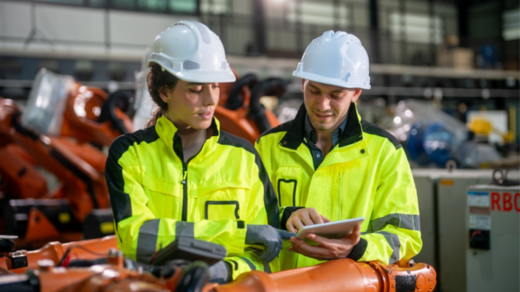
    Industrial robots are revolutionizing industries by automating repetitive tasks that were once done manually. These robots can perform a wide range of functions, including assembly, welding, painting, and material handling.

    Investing in industrial robots can significantly boost efficiency by increasing production speed and reducing human error. Robots work around the clock, without breaks, and with a high level of precision, leading to higher quality products and lower production costs. 

    5. CNC Machines

    Computer Numerical Control (CNC) machines are used to automate the manufacturing process of parts and components. These machines are programmed to perform complex tasks such as milling, drilling, and turning with incredible accuracy.

    By investing in CNC machines, industries can produce high-quality parts at a faster rate than traditional manual methods. CNC machines also help reduce material waste, as they cut precisely according to the design specifications. 

    Conclusion

    Investing in the right equipment is crucial for any industry aiming to boost its efficiency. Small steam boilers, Fiber Laser Cutting Machines, automated packaging machines, industrial robots, and CNC machines are just a few examples of the kinds of equipment that can streamline processes, reduce costs, and improve productivity.

    By carefully selecting the right equipment for your specific needs, you can achieve greater efficiency and stay ahead of the competition. Remember, every investment in modern technology not only saves time and money but also helps ensure the long-term success of your business.

  • What Security Detention Equipment Contractors Say About Onsite Manufacturing

    What Security Detention Equipment Contractors Say About Onsite Manufacturing

    Building secure spaces is a serious job—but how it’s done makes a big difference. Security detention equipment contractors are leaning into offsite manufacturing for smart reasons that go beyond saving time. It’s about precision, safety, and making the entire build process more predictable from the ground up.

    Better Build Quality from Factory-Based Production

    Factories don’t have to deal with surprise weather delays, uneven ground, or last-minute material shortages. That controlled environment allows for consistent, reliable construction, which matters a lot in the security world. For detention equipment contractors, this kind of setting leads to tighter quality control, cleaner welds, and less rework. Instead of hoping everything lines up once it gets to the site, they know it already does.

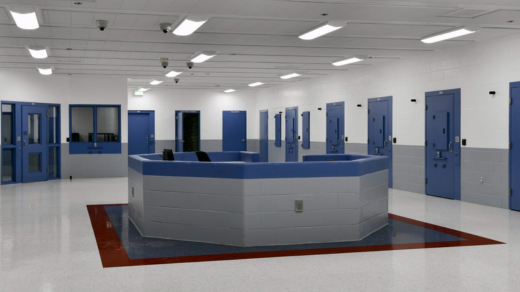
    In secure facilities like modular jails, there’s no room for mistakes. Even minor flaws can lead to major safety issues. Building key components in the factory allows security detention equipment contractors to spot and fix imperfections before anything gets delivered. That means fewer structural surprises later on and better peace of mind for everyone involved—from engineers to end-users.

    Less Onsite Work Means Fewer Safety Concerns

    Construction sites are naturally full of risk. Heavy equipment, tall scaffolding, and dozens of workers moving in different directions all increase the chances of accidents. Reducing the amount of onsite building lowers that risk significantly. Detention equipment contractors point out that by moving a large portion of the fabrication into a controlled factory space, they’re also cutting down on injury exposure.

    This shift not only makes job sites safer, but also less chaotic. Fewer moving parts onsite means project managers can maintain tighter control over who’s doing what and where. This is especially helpful in corrections projects where access and clearances are tightly monitored. With less building happening at the actual facility, security isn’t compromised during construction, and the entire timeline moves with fewer hiccups.

    Smoother Workflow Between Design and Fabrication Teams

    In traditional builds, there’s often a gap between the design team and the crew putting everything together. Communication errors and last-minute changes can derail timelines. But in modular builds, design and fabrication teams often work side-by-side—or at least stay closely aligned. That ongoing collaboration cuts down on delays and mismatches between plans and production.

    For security detention equipment contractors, that close connection means that changes in door hardware, locking systems, or wall panels can be handled quickly and efficiently. Since the entire process is mapped out from the start and adjusted in real time, it’s easier to avoid costly revisions. Everyone’s working off the same playbook, and that makes all the difference—especially in complex builds like modular jails.

    Fewer Shipping Setbacks and Fewer Delivery Headaches

    Anyone in construction has stories about delayed shipments. Missing parts, weather-stalled trucks, and wrong deliveries slow down progress fast. One benefit that detention equipment contractors keep mentioning is how onsite manufacturing simplifies logistics. Components built in a nearby facility or even directly onsite reduce the time—and risk—involved in transporting materials from one place to another.

    It’s also about protecting sensitive materials. Security hardware isn’t something you want lost or damaged in transit. Shorter shipping routes mean less handling and less chance of damage. By manufacturing more components locally or on the premises, security detention equipment contractors avoid a lot of the usual delivery drama that comes with remote sourcing. That keeps builds on track and budgets in line.

    Quicker Installs Thanks to Pre-Built Components

    Pre-assembled modules arrive ready to go. That alone saves days, even weeks, on tight construction schedules. For detention equipment contractors, installing units that already include things like integrated security frames, fixtures, and panels is a game-changer. It turns a multi-step build into a plug-and-place install.

    This doesn’t just speed things up—it also makes the final structure stronger. With parts designed to fit together from the start, there’s less shifting, less cutting, and less margin for error. Modular jails built this way can go from foundation to functional in record time. It’s one of the reasons more security detention equipment contractors are turning to this model—it delivers faster without cutting corners.

    Flexible Systems That Adjust to Changing Facility Needs

    Correctional facilities aren’t one-size-fits-all. Over time, needs change—capacity shifts, functions evolve, and security protocols update. Modular construction makes it easier to adapt. That’s something detention equipment contractors appreciate, especially when long-term functionality is on the table.

    By prefabricating components with flexibility in mind, teams can update, expand, or reconfigure parts of a facility with less disruption. Instead of rebuilding from scratch, they can swap in new sections or redesign layouts without tearing down walls. This kind of future-proof thinking makes security detention equipment contractors more equipped to build with tomorrow in mind, not just today. And in this industry, that’s a huge win.

  • Top 7 Reasons Civil Lawsuits in Baldwin County, Alabama Settle Out of Court

    Top 7 Reasons Civil Lawsuits in Baldwin County, Alabama Settle Out of Court

    Lawsuits often sound like courtroom drama, but in real life, most don’t even make it to trial. In Baldwin County, Alabama, civil litigation tends to resolve quietly and privately—far away from a judge’s bench. So why do so many people choose settlement over a courtroom battle? Turns out, there are solid reasons behind that choice.

    Avoiding the Uncertainty of Jury Decisions

    No matter how strong a case seems, once it’s in the hands of a jury, anything can happen. Juries are made up of everyday people with different life experiences, perspectives, and opinions. Even when the facts are clear, different interpretations can lead to unpredictable outcomes. This uncertainty makes many parties in a civil lawsuit nervous about rolling the dice in court.

    In Baldwin County, Alabama, attorneys understand that keeping control of the outcome can be more valuable than chasing a perfect win. Settling a case removes the guesswork. It allows both sides to agree on terms they can live with rather than leaving the final word to twelve strangers. When the stakes are high, the idea of certainty becomes even more attractive.

    Reducing Legal Expenses and Attorney Fees

    Litigation isn’t cheap. From filing fees to expert witnesses, the costs stack up quickly. A trial can last for months—or even years—which means ongoing attorney fees and court-related expenses. For many involved in civil litigation, the thought of spending thousands just to reach a verdict doesn’t sit well.

    Settling early allows parties to control their expenses. In Baldwin County, where small businesses and individuals often have limited legal budgets, this is a major factor. A well-negotiated settlement can be reached long before the bills get out of hand. While everyone wants justice, few want to drain their savings to get it.

    Preserving Privacy and Business Reputations

    When a case goes to trial, the details become public record. Every filing, every testimony, every piece of evidence—open to anyone who looks. That can be a problem, especially for local businesses or individuals with reputations to protect. A civil lawsuit might begin over a simple dispute but quickly turn into a PR nightmare.

    By settling out of court, parties can keep the details confidential. In Baldwin County, Alabama, where community ties run deep, privacy matters. Local business owners and professionals often choose to settle not because they’re wrong, but because they want to avoid unnecessary headlines or gossip. Confidentiality protects everyone’s name—and future business prospects.

    Faster Resolution Compared to Lengthy Trials

    The legal process moves slowly. Once a civil lawsuit is filed, there are motions, discovery phases, court dates, delays—and then finally, maybe, a trial. This timeline can stretch into years, leaving people stuck in legal limbo. That’s especially frustrating when they need closure or want to move forward.

    Settlement shortens the wait. In Baldwin County, civil cases can reach a resolution in weeks or months when both parties are willing to negotiate. It saves time, and more importantly, helps avoid the stress of waiting. Life doesn’t pause for court schedules, and settling lets people keep moving.

    Minimizing Emotional Strain and Public Exposure

    Lawsuits aren’t just financial—they’re emotional. Being sued or suing someone takes a toll, especially when relationships, reputations, or businesses are involved. Courtroom battles can get personal fast. Cross-examinations, public testimonies, and long hours spent discussing private matters can be draining.

    Settling allows both parties to skip the emotional rollercoaster. In tight-knit communities like Baldwin County, Alabama, people often know each other—whether through business, school, or family. Avoiding a drawn-out court battle preserves those relationships or at least keeps them from getting worse. It gives space for resolution without turning personal disagreements into public fights.

    Maintaining Control Over Settlement Terms

    In court, a judge or jury decides who wins and how much they get. But when a case settles, the terms are shaped by both sides. That flexibility is one of the biggest advantages in civil litigation. Parties can create creative, customized solutions that a courtroom simply can’t offer.

    In Baldwin County, this control matters. A small business owner might agree to compensate a customer in a way that also keeps the door open for future business. An individual might want an apology or non-monetary resolution. Settlement opens the door for these conversations—court rarely does. Having control over the outcome means both sides walk away feeling heard.

    Limiting Potential Liability and Financial Risks

    For defendants, a trial means one big risk: losing everything. If a jury awards high damages, the financial impact can be devastating. Plaintiffs face risk too—there’s always a chance they walk away with nothing. Settling a civil lawsuit minimizes those possibilities by finding a middle ground before it’s too late.

    In Baldwin County, where many disputes involve personal assets or small businesses, avoiding those big risks is often the smartest move. Settling doesn’t mean giving in; it means making a decision that protects the future. By choosing resolution over battle, parties reduce the chance of a painful financial blow. That peace of mind is often worth far more than a verdict.

  • Gokyo Lakes and Everest Base Camp Trek The Sherpa Connection to Himalayan Culture

    Gokyo Lakes and Everest Base Camp Trek The Sherpa Connection to Himalayan Culture

    The Gokyo Lakes and Everest Base Camp trek is one of the highlights of my life. Indeed, at the heart of this experience lies the Sherpa, the native peoples of Khumbu, who have been the caretakers of the trails around Everest for generations. The deep communal connection to the land, steeped in centuries-long traditions and customs, not only enriches every facet of the trek but also, for trekkers, adds elements to their journey that are based on culture beyond the natural beauty alone.

    Although Sherpas are known for their resilience and hinterland knowledge of the Himalayan topography, their role in mountaineering goes beyond being guides. While trekking to Everest Base Camp and Gokyo Lakes, you pass through Sherpa villages that retain centuries-old customs. The ornate design of the monasteries, the colorful prayer flags, and the clattering motion of prayer wheels are stark reminders of the Sherpas’ deep-held Buddhist beliefs. Passed down from generation to generation, some traditions are the bedrock of Sherpa culture, and as you traverse the trails, this spiritual connection greets you in an authentic and profound manner.

    The connection of the Sherpa people to that area also plays into their history as mountaineers. They have played a vital role in the success of many expeditions to Everest, as they have been the guides for numerous foreign climbers reaching the top. Their deep knowledge of high-altitude survival and the mountain’s mercurial ecosystem has made them indispensable to adventurers from around the world. Walking with a Sherpa means learning not only about the spectacular scenery you’ll be seeing but also about the sacred importance of the mountains to the Sherpa people.

    As they do, trekkers get a perspective of the pulse that beats at the heart of the Himalayas, where each mountain pass, each swinging prayer flag, and each view of Everest has two meanings, stealing the journey to Gokyo Lakes and Everest Base Camp from the transaction between people and place to one of the soul.

    Gokyo Lakes and Everest Base Camp Trek: An Introduction

    However, the Gokyo Lakes and Everest Base Camp Trek Package are two of the most popular and iconic trekking routes in Nepal’s Everest region, providing trekkers the opportunity to experience some of the world’s most stunning mountain views. So, trekking to Everest Base Camp, the footprint of the world’s highest mountain —or Gokyo Lakes Trek that takes you more off the beaten path but with breathtaking views of Everest, Makalu, Lhotse, and Cho Oyu. The trip will take days with 14,346-ft (4,400-m) khum ja bt (halting mountain) followed by a walk to the Gokyo Lakes, a number of turquoise alpine lakes, and the climbing of Gokyo Ri, which offers views of peaks from a higher height. In contrast, the Everest Base Camp trek takes you through the renowned Sherpa settlements of Namche Bazaar and Tengboche, eventually arriving at the Everest Base Camp, where trekkers can see the massive Khumbu Icefall and surrounding peaks up close. Both treks are physically strenuous and you need to acclimatize well to avoid altitude sickness, but it is worth it, you will spend time in some of the most scenic and diverse fields on the planet. Both the classic Everest Base Camp trek and the less popular but equally stunning Gokyo Lakes route offer incredible landscapes alongside Sherpa culture.

    About the Sherpa People, You May Also Like

    Sherpas: The Sherpa people are an ethnic group of people who were born in the mountains of Nepal, particularly the Everest region, and are famous for their excellent capability of living and working in high altitudes. Sherpas are inhabitants of Tibet and have already been inhabiting the Khumbu Valley for many generations since their lifestyles and culture with the land as well as the surrounding mountain peaks. Over lost centuries Sherpas have developed adaptive who survive and thrive in high-altitude environments, including high levels of hemoglobin in the blood, risen lung capacity, etc, all apt for mountaineering and trekking. Along with their indomitable spirit, Sherpas embody hospitality and wonderful people, being community-minded and very respectful of nature. While their traditional way of life was primarily one of farming and herding, many Sherpas work as guides, porters, and high-altitude climbers, and play an important role in the tourism business in Nepal. The immense experience of local people in climbing, cultural practices as well as history culminate in great support for the “Everest expeditions” in the Himalayas. Though increasingly embedded in the global mountaineering industry, Sherpa people preserve much of their cultural heritage, including language, religion, and festivals, and serve as a form of stewards of the Himalayan landscape.

    Imagine being a climber in Nepal when reaching the summit is only half the problem.

    Gokyo Lakes and Everest Base Camp 10-day itinerary Sherpas serve a pivotal and versatile role in the Himalayan expeditions primarily in the Everest and Gokyo regions. With unparalleled expertise in navigating the challenging and often treacherous mountainous terrain, their contributions have been essential to the success of treks and climbs in the region for decades. Duties as guides: The Sherpas lead trekkers along the best paths, keeping us safe while helping trekkers acclimatize to avoid altitude sickness. They also assist in ferrying heavy loads of equipment, supplies, and food, so that trekkers can focus on the journey itself. Sherpas are also expert high-altitude mountaineers, including establishing base camps, fixing routes, and coordinating all the moving pieces of a successful expedition. Many Sherpas are “high-altitude porters,” who transport vital gear to higher elevations, a role that has earned them deep respect in the mountaineering world. Beyond honing technical skills, Sherpas offer critical cultural knowledge and share the history, local communities, and traditions of each region. Their knowledge of the region’s weather patterns, wildlife, and potential dangers such as avalanches or rockslides is key to a safe trek or climb. The Sherpa’s presence provides inspiration, courage, and the knowledge to complete the journey — and that is even more than their physical deeds.

    Gokyo Lakes and Everest – The Culture

    The Gokyo Lakes & Everest Base Camp have great cultural importance for the Sherpa people as well as for trekkers. For the Sherpas, these fields are intertwined with their spiritual beliefs, and Mount Everest (or Sagarmatha in Nepal, Chomolungma in Tibet) is a sacred mountain. Sherpas believe the mountains are homes for gods and that Mount Everest, in particular, is a powerful deity to be honored. Consequently, the Everest Base Camp is more than just a trekking destination, but a pilgrim site where Sherpas pay tribute to their ancestors, the mountain spirits, and the gods. Worshipped as well, the Gokyo Lakes — submerged at the base of the colossal mountains of the Himalayas — are considered sacred, their still waters believed to have healing and spiritual properties. Those who trek to Everest Base Camp trek with Gokyo itinerary Gokyo will experience an even deeper and more personal relationship with these holy environments, taking the time to meditate and appreciate the peaceful stillness of the glacial lakes and adjacent summits. For trekkers, the cultural significance of these places provides a deeper appreciation for the region’s spiritual heritage. Not only do these areas have important cultural significance, but they also provide trekkers with the opportunity to learn about Sherpa life as the route goes through many Sherpa villages, where travelers can experience firsthand the rich traditions, rituals, and hospitality of the Sherpa people.

    Sherpa Culture and Traditions During the Trek

    The traditions and customs of the Sherpa people are integral in all trekking to the Gokyo Lakes or Everest Base Camp. Traditional Sherpa practices are intimately tied to their Buddhist faith, local customs, and mountain culture, and you will witness some of them as you pass through the region. The path is lined by mani stones, carved stones inscribed with prayers. Sherpas also practice the ancient custom of hanging prayer flags at sacred places, like mountain colleges or at the entry to villages, to bless and bring good luck. Sherpas are also renowned for their friendly, welcoming nature, and many invite trekkers home or into their teahouses. Dining with Sherpas is a chance to sample traditional Tibetan and Sherpa fare such as momos (dumplings), dal bhat (lentil soup with rice), and Sherpa stew — a savory, hearty dish that is intended to fuel high-altitude trekking with energy. You may see Sherpas doing rituals in monasteries or chortens (stupas) as they offer prayers for a safe passage as you hike. Such spiritual and communal aspects of these customs add richness to the trek, offering insight into the Sherpa peoples’ worldview, which sees nature, spirituality , and hospitality as all part of one entity that fits into the land in which they live.

    Spirituality and Religion in Sherpa Culture

    A deep spirituality and religion — especially as they express themselves through the mountains and nature, define core Sherpa culture. Most Sherpas are followers of Tibetan Buddhism, which deeply penetrates into their everyday life, tradition, and mindset. The mountains are sacred to them and home to many deities and spirits, and they believe they must respect nature in order to keep balance, peace, and harmony in their lives. Mount Everest, called “Sagarmatha” by the Sherpas (or “Chomolungma” in Tibetan), is considered to be the goddess of the earth, and scientists in Tibetan culture believe that the mountain is spiritually powerful and must be respected. Many Sherpas engage in rituals, such as making offerings of butter lamps, incense, and prayers at monasteries or chortens (small stupas) on the freeways of trek routes. Another key element of Sherpa spirituality is the prayer flags, which flutter along the trails. These flags hold prayers that, according to their adherents, are blown by the wind to bless the mountains and the people. Sherpas also celebrate significant Buddhist festivals like Lhosar (the Tibetan New Year), at which they come together for prayer, feasting, and revelry. The spiritual connection that the Sherpa people have with nature adds an enriching dimension to trekking in the region, allowing trekkers to gain an insight into the significance of spirituality and religion in defining life and culture in the Everest region.

    The reason was that there was no single language common in all Sherpas.

    Gokyo Everest Base Camp trek map Learn Sherpa Language: Communication opens doors when trekking in the Everest region. Sherpas also speak Sherpa, a Tibetan language, in addition to Nepali, which is widely spoken across Nepal. Although many Sherpas speak English, particularly those who are trekking guides, a few words or phrases in Sherpa can help you connect more with the local community. If you greet a Sherpa guide with “Tashi Delek” (a traditional Tibetan greeting meaning “good fortune”) or offer a “Namaste” (a respectable greeting in Nepali), it helps to create an atmosphere of reciprocity where gratitude and appreciation is exchanged.

    While English is common enough to get by for most trekkers, learning a handful of basic cultural words in Nepali can show respect for their traditions and heritage. Sherpas frequently refer to individual mountains and nature in their own terms as their spirituality runs deep in the land. For example, Chomolungma is the Tibetan name for Mt. Everest; it means “Mother Goddess of the World.” These nuances in language offer not only a means of communication but also a glimpse into the Sherpas’ perspective, born from their connection to the mountains. Learning this linguistic layer of the trek enhances the experience, enabling trekkers to engage more meaningfully with the Sherpas and the region’s cultural heritage.

    Reduced Mobility and Travel: An Unexpected Challenge

    Sherpa hospitality is another highlight of trekking in the Everest region. Famous for their hospitality and generosity, Sherpas also usually do overhand to make sure trekkers feel welcome and well looked after during the experience. As you journey through Sherpa villages on your way to Everest Base Camp or Gokyo, you will find hospitality is based on a long tradition of treating guests with the highest level of respect. Sherpas frequently invite trekkers into their homes for tea or to share a meal, offering a glimpse into their lives.

    Sherpas are very communal and this is often evident in their service to trekkers. The tea houses and lodges that line the trek are owned and operated by Sherpa families who take great pride in making a trekker’s rest after long days of hiking as comfortable as possible. Their paths are the kind that, once crossed, lead to invitations into the homes of locals that turn a trek into a cultural exchange. The meals, always simple but nourishing enough — dal bhat (lentils and rice), soups, and Tibetan bread primarily — will fuel you for the rigors of the trek ahead.

    This welcoming attitude of locals creates a bond that fosters respect and coexistence and makes the entire trekking experience noteworthy. The Sherpa hospitality that you experience on treks is truly unparalleled, bringing trekkers as close to the experience of a strong cultural immersion with the real Himalayas, making your whole trekking experience a very personal connection.

    A Look at Sherpa’s History in the World of Climbing

    EBC with Gokyo trek route map Everest features many Sherpas, people who have made significant contributions to the lore of mountaineering. Their familiarity with the mountains and skills to survive in high-altitude conditions have made them indispensable to climbers and trekkers from all walks of the world. The history of Sherpas in mountaineering started as early as the beginning of the 20th century, with British expeditions placing attempts to summit Mount Everest. However, it was the Sherpas, who were perfectly adapted to overcome the harsh mountain landscapes of the Himalayas, that proved to be the secret ingredient in the success of these early expeditions.

    Perhaps the most famous of these was Tenzing Norgay, a Sherpa who in 1953, with Sir Edmund Hillary, became among the first people to reach Everest’s summit. Tenzing’s success stood for not only the accomplishments of one man but also the Seigneur of promotion of a large group of people of which Tenzing was only 1 part. Sherpas have remained the backbone of the Everest experience for decades, escorting climbers, hauling gear, and arranging camps at altitude. Their skill in negotiating the mountain’s harsh topography, knowledge of what a high-altitude environment presents in terms of risk, and ability to acclimatize to the thin air are what make or break a climb.

    Even today Sherpas continue to be the most integral part of mountaineering expeditions in the Himalayas, which not only help climb summits but also keep the traditions of mountaineering alive. Through their unmatched skills, knowledge, and strength, they have become a vital part of the world mountaineering family.

    How Sherpas Help Make Trekking Safe and Successful

    They are essential for the safety and success of any Everest region trekking expedition. The extensive knowledge of the guides on the difficult and sometimes dangerous terrain, combined with their ability to understand the local climate and high-altitude conditions, greatly improves the safety of the trekkers. One of the main ways Sherpas add to safety is their knowledge of acclimatization. As trekkers go higher to more elevated places altitude sickness can set in and become fatal if not treated properly. Used to the high altitudes, these Sherpaguides assist trekkers with the slow acclimatization process by regulating pace, suggesting rest days, and identifying early signs of altitude sickness.

    In addition to acclimatization, Sherpas receive training in high-altitude first aid and have an acute awareness of mountain hazards. The guides are trained to make important decisions in case of an unexpected change of weather or an avalanche to keep the trekkers safe during the trek. They are also adept at reading difficult terrain, knowing what routes are safest, and providing guidance to trekkers on the best course of action when conditions are tough.

    Sherpas also provide unparalleled logistical support, carrying supplies, cooking meals, and helping to arrange lodging along the trail. It frees trekkers to concentrate on the physical demands of the journey, while their Sherpa guides coordinate the logistics that make for a successful and safe trek. In summary, Sherpas offer the physical and emotional support necessary to complete the trek, but they also play an important role in accomplishing the journey and helping it to happen safely and successfully.

    Tourism and the Preservation of Sherpa Culture

    Gokyo Ri Everest Base Camp trail map Tourism can have a positive impact but also threatens the preservation of Sherpa culture [28]. Trekking has emerged as one of Nepal’s main earners over the last couple of decades and the Sherpa people have led this industry, literally, taking trekkers through the Everest area. Thousands of tourists flock to the Himalayas, bringing new wealth that sustains old Sherpa lifestyles even as it gives the Sherpas a stage on which to show their way of life to the world.

    The cultural heritage of the Sherpas includes their own Buddhist traditions and unique architecture, as well as customs passed down the generations. Tourism has allowed Sherpas to present their rich culture, from Buddhist rituals inside monasteries to traditional dances and festivals. As trekkers spend time with the locals and engage with the Sherpa community, they learn more deeply about the Sherpas and their beliefs, traditions, and daily lives, resulting in mutual respect and appreciation for the culture. If you want to know more Gimkit dashboard

    But trekking’s newfound popularity has also raised concerns about the effects of tourism on the environment and traditional ways of life. There are also active initiatives among Sherpas to preserve their culture through sustainable tourism. Communities across the world are working towards sustainability: they straddle between economic development, environmental conservation, and the preservation of traditional cultures. By supporting responsible trekking and honoring the Sherpas’ way of life, trekkers play a role in preserving this rich culture for generations to come.

    In Conclusion: Exploring the Sherpa Culture to Foster a Deeper Connection with the Himalayas

    A trekking experience in the Everest region is not just a physical challenge, it’s a chance to dive into the religion, culture, and lifestyle of the Sherpa people. By serving as hosts, experts, and mountain ambassadors, Sherpas are the lens through which trekkers see the Himalayas. Ultimately, their culture steeped in Buddhist traditions and centuries-old customs, provides trekkers with not just a trek through stunning terrain, but through the spirituality and history that defines the region.

    Trekking with a Sherpa guide is not only safer and more successful but you also get to teach you about the Sherpa way of living. By virtue of their language, their hospitality, and their insight into the mountains, Sherpas elevate the experience to levels far beyond simply guiding the route to Everest Base Camp and Gokyo Lakes. In truth, they turn an arduous journey to endure into a cultural pleasure.

    As you hike through Sherpa villages, share meals, and marvel at the breathtaking views of the Himalayas, you’re not simply passing through a remote area — you’re becoming part of a living culture that has existed for generations. Through experiencing Sherpa culture and promoting sustainable tourism, trekkers play a role in preserving this lifestyle for future generations and therefore ensure that the legacy of the Sherpa people remains an ever-important part of the Himalayan experience.

  • How to Check Your Portuguese Nationality Application Status: A Step-by-Step Guide

    How to Check Your Portuguese Nationality Application Status: A Step-by-Step Guide

    Overview: Portuguese Nationality Application Process

    Portugal offers several paths to citizenship—by birth, descent, marriage, or residency. Once you’ve submitted your application to the Conservatória dos Registos Centrais (Central Civil Registry), you’ll want to track its progress.

    Fortunately, the Portuguese government provides a public portal to check the status of nationality requests in real time.


    2. Who Can Apply for Portuguese Citizenship?

    You may be eligible to apply for Portuguese nationality if you are:

    • A child or grandchild of a Portuguese citizen
    • Married to or in a civil union with a Portuguese national
    • A legal resident for at least 5 years (with A2-level Portuguese)
    • A former Portuguese colony citizen (e.g., Angola, Mozambique)
    • A Sephardic Jewish descendant of Portuguese origin

    Each route requires different documentation and background checks.


    3. How to Submit Your Application

    You can apply for nationality:

    • In person: At the IRN (Instituto dos Registos e Notariado)
    • By mail: To the Central Registry in Lisbon
    • Through a lawyer or solicitor

    Once your documents are accepted, you’ll receive a process number (número de processo), which is crucial for tracking your case.


    4. How to Check Your Application Status Online

    To check your Portuguese nationality application status, follow these steps:

    ✅ Step-by-Step:

    1. Go to the official tracking portal:
      https://nacionalidade.justica.gov.pt
    2. Click on “Acompanhar o estado do processo” (Track process status)
    3. Enter your:
      • Process number (Número do processo)
      • Password or identification details (provided at the time of submission)
    4. Click “Pesquisar” (Search)
    5. Your current status will appear, often in one of several predefined stages (see below).

    5. Status Codes & What They Mean

    Here are common application statuses and their meaning:

    • Recebido – Your request has been received.
    • Em análise – Under analysis by authorities.
    • Solicitados documentos adicionais – Additional documents requested.
    • Aguardando validação superior – Awaiting higher-level validation.
    • Deferido – Approved ✅
    • Indeferido – Denied ❌ (you can usually appeal)

    Note: Some stages can take weeks or months depending on case complexity and backlog.


    6. How Long Does It Take?

    The process can take between 6 months to 2 years, depending on the type of application and government workload.

    Estimated timelines:

    • Descent (parents/grandparents): ~6–12 months
    • Marriage: ~12–18 months
    • Residency: 18–24 months
    • Sephardic Jewish applications: May exceed 24 months due to strict verification

    7. What to Do If There’s a Delay

    If your application seems stuck for more than 18 months, consider:

    • Contacting IRN via email or phone: www.irn.mj.pt
    • Hiring a Portuguese immigration lawyer to follow up
    • Sending a written request asking for an update or to speed up processing in urgent cases

    Be sure to reference your process number in all communications.


    8. Conclusion & Helpful Links

    Portugal’s nationality system is transparent, but the process can be lengthy. Knowing how to track your application status ensures peace of mind and better preparation for the next steps.

    ✅ Keep your documents, process number, and login info safe—they’re essential for tracking and support.

    Have you applied for Portuguese citizenship?
    Let us know in the comments what stage you’re at or if you need help understanding your status.

  • Doing Business in Portugal: Insights, Trends & Top News Sources to Follow

    Doing Business in Portugal: Insights, Trends & Top News Sources to Follow

    1. Why Portugal Is Attracting Global Business Interest

    In recent years, Portugal has emerged as a top destination for entrepreneurs, investors, and international businesses. The combination of political stability, EU market access, and a highly skilled, English-speaking workforce makes it a smart base for doing business in Europe.

    Lisbon, in particular, has gained recognition as a tech startup hub—hosting global events like the Web Summit and attracting major investments from companies like Google, Microsoft, and Volkswagen.


    2. Overview of the Portuguese Economy

    Portugal’s economy is diversified and resilient, with strong performance in tourism, exports, renewable energy, and technology. Following a robust recovery from the COVID-19 pandemic, GDP growth in 2023 stood at around 2.4%, with projections for continued steady expansion in 2024–2025.

    Inflation has stabilized, and foreign direct investment (FDI) remains a priority for the government.

    Key economic indicators:

    • Currency: Euro (€)
    • EU member: Yes (since 1986)
    • Corporate tax: 21% (lower for SMEs)
    • Main trading partners: Spain, Germany, France, UK

    3. Key Sectors Driving Growth

    Portugal’s business opportunities are concentrated in several high-potential sectors:

    ☀️ Renewable Energy

    Portugal is a leader in solar, wind, and hydropower. By 2040, the country aims to run almost entirely on clean energy.

    Real Estate & Construction

    Urban regeneration projects and tourism fuel a steady demand for investment in housing, hotels, and commercial space.

    Technology & Digital Services

    Lisbon and Porto host thriving tech ecosystems supported by incubators and public grants.

    Agriculture, Food & Wine

    The agri-food sector, especially wine exports (like Vinho Verde and Douro wines), continues to grow internationally.

    Logistics & Maritime Trade

    Portugal’s Atlantic ports make it a strategic location for shipping and logistics companies.


    4. Best News Sources for Business in Portugal

    Staying updated with trustworthy news is essential. Here are the top sources—available in English and/or Portuguese:

    Jornal de Negócios

    • Portugal’s top financial daily newspaper
    • Coverage: stock markets, government policy, corporate moves
    • Website: www.jornaldenegocios.pt

    Eco.pt

    • Modern digital outlet focused on economics, innovation, and finance
    • English content often included in summaries
    • Website: eco.sapo.pt

    Expresso (Economy Section)

    • One of Portugal’s oldest and most trusted weekly newspapers
    • Detailed reports and opinion pieces
    • Website: expresso.pt

    Portugal Pulse / Portugal News / Portugal Resident

    • For expats and international readers
    • Broad coverage including politics, business, real estate
    • Websites: portugalpulse.com/portugal-news/ | theportugalnews.com | portugalresident.com

    AICEP Portugal Global

    • Government agency portal for trade and investment
    • Reports, data, and export/import guides
    • Website: portugalglobal.pt

    5. Government Support & Investment Incentives

    Portugal offers several investment-friendly programs:

    • StartUP Portugal: Grants, mentoring, and co-working space for entrepreneurs.
    • Compete 2030: Funding for R&D, exports, and innovation in SMEs.
    • Golden Visa Program: Despite recent changes, it remains attractive for non-EU investors in venture funds or innovation.

    Foreign companies also benefit from simplified bureaucracy through platforms like Empresa na Hora, which allows for company registration in under an hour.


    6. Startups & Innovation Hubs

    Portugal’s startup ecosystem is booming, with Lisbon ranked among Europe’s top innovation cities.

    Startup Ecosystem Highlights:

    • Beta-i (Lisbon): Accelerator for fintech, healthtech, and sustainability.
    • UPTEC (Porto): Tech park supporting university spin-offs and corporate R&D.
    • Web Summit: The largest tech conference in Europe, hosted in Lisbon since 2016.

    International founders often cite low operational costs, high quality of life, and a growing tech talent pool as reasons to launch in Portugal.


    7. Conclusion & Further Resources

    Portugal’s economic outlook is strong, and its business environment is increasingly globalized, digital, and sustainable. Whether you’re a startup founder, corporate executive, or investor, the country offers an attractive mix of opportunity and support.

    ✅ Tip: Start by following trusted news sources like Jornal de Negócios and Eco.pt and Portugal Pulse to stay ahead of market shifts and policy updates.

  • The Future of Advertising: Why Digital Mobile Billboards Are Leading the Charge

    The Future of Advertising: Why Digital Mobile Billboards Are Leading the Charge

    In the world of advertising, the rise of digital mobile billboards represents a transformative shift in how businesses can reach their target audience. With the growing reliance on digital solutions, businesses are now finding more innovative ways to engage consumers. Digital mobile billboards are at the forefront of this revolution, offering brands a unique, dynamic, and highly engaging platform to showcase their advertisements. But why exactly should businesses consider investing in this form of advertising? Let’s explore the reasons why mobile digital billboards are quickly becoming the future of outdoor advertising.

    1. What Are Digital Mobile Billboards?

    A digital mobile billboard is a truck that carries a large, high-definition LED display on its side, showcasing moving advertisements that are visible to people in various locations. Unlike traditional static billboards, these billboard trucks can travel through multiple neighborhoods, reaching different demographics at different times of day.

    These mobile billboard trucks give businesses the flexibility to target their audience in real-time and ensure that their advertisements are seen by a diverse group of people in various locations. Mobile digital billboards can be especially effective in urban areas or locations with heavy foot traffic, such as shopping districts, event venues, or large-scale gatherings.

    2. Benefits of Digital Mobile Billboard Advertising

    There are several advantages that businesses can leverage when they choose to utilize digital mobile billboards. These include:

    • Increased Visibility: With the mobility of these billboard trucks, advertisers can target various locations with precision. Whether it’s a trade show, sports event, or local festival, mobile digital billboards can bring the message directly to where people are most likely to see it. The mobility of these trucks ensures that the content will be seen by a diverse audience across different neighborhoods.
    • Dynamic Advertising: Unlike traditional billboards that display a static message, digital mobile billboards can display dynamic content. This means businesses can change their advertisements on the fly, allowing them to adjust their messaging based on location, event, or target demographic. This level of flexibility ensures the advertisements are always relevant and timely, keeping them fresh for the audience.
    • Higher Engagement: Studies show that people are more likely to engage with moving, eye-catching displays. Digital mobile billboards have been proven to capture more attention compared to static billboards, making them a powerful tool for brand recognition. The large, bright digital screens on mobile digital billboards are perfect for showcasing high-impact visuals, videos, and animations that draw attention from passersby.
    • Cost-Effective: Mobile digital billboards can deliver a high return on investment (ROI) compared to traditional advertising methods. Since they allow for dynamic and targeted messaging, they often achieve better results for the money spent. Traditional billboards, while effective, are limited in their ability to engage with specific audiences, whereas mobile billboard trucks can be strategically placed in multiple locations to maximize visibility.

    3. Applications for Mobile Billboards in B2B and B2C Marketing

    Mobile billboard trucks are versatile tools that can serve both B2B (business-to-business) and B2C (business-to-consumer) markets. Their ability to move and target different locations makes them a powerful marketing tool for businesses in both sectors.

    • For B2B: These billboard trucks can be used at trade shows, networking events, and business conferences. A mobile billboard can attract the attention of potential partners and clients by delivering your message directly to a captive audience. The ability to bring your brand’s message directly to other businesses can help foster important relationships and create lasting impressions.
    • For B2C: Mobile digital billboards are an excellent way to engage directly with consumers. They can be used for local promotions, product launches, or events. By taking your message directly to the streets, you increase the likelihood of reaching your target audience in real-time. Whether it’s a new product release, a seasonal promotion, or an exclusive discount, mobile digital billboards can boost awareness and consumer interest.

    4. Why Choose Can’tMiss Us for Your Mobile Billboard Advertising Needs?

    Can’tMiss Us is a leader in the field of digital mobile billboard advertising. Offering a fleet of high-tech, state-of-the-art mobile billboard trucks, Can’tMiss Us provides businesses with an effective way to get their message in front of their target audience. Whether you’re looking to build brand awareness or launch a new product, Can’tMiss Us can help you maximize your advertising potential.

    The company provides flexible advertising packages that can cater to both small and large-scale campaigns. Their team works closely with clients to craft dynamic and compelling ad content that resonates with the audience. Whether you’re seeking to target local commuters or large crowds at a public event, mobile digital billboards offer a highly customizable solution.

    5. Increased Flexibility and Customization

    One of the key benefits of working with Can’tMiss Us is the high level of flexibility and customization they offer with their mobile LED truck fleet. Each billboard truck is equipped with the latest technology, allowing businesses to tailor their ads to specific events, promotions, or locations. This ensures that your campaign remains fresh, engaging, and aligned with your overall marketing strategy.

    For example, a business might choose to target a local event or festival by programming their mobile digital billboard with content specific to that event. This type of targeted approach ensures your advertisement reaches the right audience and makes the greatest impact.

    Conclusion

    Digital mobile billboards are undoubtedly the future of outdoor advertising. With their ability to reach diverse audiences, deliver dynamic content, and offer higher engagement rates, they provide businesses with a unique opportunity to enhance their marketing strategies. By choosing a company like Can’tMiss Us, you can ensure that your digital mobile billboard advertising campaigns are executed flawlessly, driving your brand’s visibility and success in a competitive market. Whether you’re interested in purchasing mobile billboard trucks for sale or renting mobile LED trucks, Can’tMiss Us provides tailored solutions for every advertising need.