
In recent years, the popularity of lab grown diamond engagement rings has skyrocketed, offering couples a more affordable and ethical alternative to traditional natural diamonds. But what exactly sets lab-grown diamonds apart from their naturally formed counterparts? While both types share the same chemical composition and physical properties, the differences in origin, cost, environmental impact, and market perception are worth understanding before making a purchase.
Natural diamonds are formed deep within the Earth’s mantle over billions of years under intense pressure and heat. Each diamond carries a unique story of geological processes that occurred millions to billions of years ago. Because of this long formation period and the complex conditions required, natural diamonds are considered rare and valuable. The rarity of natural diamonds, along with the labor-intensive process of mining, contributes significantly to their price. Additionally, mining operations can have considerable environmental and social impacts, ranging from landscape disruption to labor concerns in certain regions.
Lab-grown diamonds, on the other hand, are created using advanced technological processes that mimic the natural conditions under which diamonds form. The two most common methods are High Pressure High Temperature (HPHT) and Chemical Vapor Deposition (CVD). Both techniques allow manufacturers to produce diamonds that are chemically, physically, and visually identical to natural diamonds. One of the key advantages of lab-grown diamonds is the ability to control the production process, resulting in fewer inclusions and higher clarity stones at a fraction of the cost of natural diamonds.
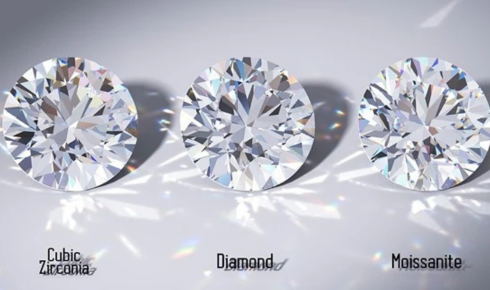
When it comes to appearance, distinguishing between lab-grown and natural diamonds with the naked eye is nearly impossible. Both types exhibit the same brilliance, sparkle, and hardness, meaning a lab-grown diamond can be just as stunning as a natural diamond. Jewelry experts often rely on specialized equipment to detect subtle differences in growth patterns or trace elements that indicate the diamond’s origin. However, for most consumers, the visual difference is negligible, making lab-grown diamonds a compelling option for engagement rings and other fine jewelry.
Cost is another area where the two diverge significantly. Lab-grown diamonds typically cost 20% to 40% less than natural diamonds of equivalent size and quality. This price difference allows buyers to select larger or higher-quality stones without stretching their budget. Moreover, because lab-grown diamonds are created in controlled environments, their supply can be scaled to meet demand, which helps stabilize pricing and reduces market volatility often seen in natural diamond markets.
Environmental impact is also a critical factor influencing the choice between lab-grown and natural diamonds. While mining natural diamonds requires large-scale extraction and significant energy consumption, lab-grown diamonds use less water and land and generate a smaller carbon footprint. For environmentally conscious buyers, this factor often tips the scale in favor of lab-grown options, as it aligns with sustainable purchasing practices.
Despite these advantages, some buyers still prefer natural diamonds due to their historical significance, perceived rarity, and traditional appeal. Natural diamonds carry a sense of timelessness and a story that cannot be replicated in a lab. On the other hand, lab-grown diamonds appeal to modern consumers who value ethical sourcing, affordability, and technological innovation.
Ultimately, choosing between lab-grown and natural diamonds comes down to personal priorities. If budget, environmental considerations, and clarity are paramount, lab-grown diamonds provide an excellent alternative. If rarity, heritage, and traditional prestige are more important, natural diamonds remain the preferred choice. Understanding these differences ensures that buyers can make an informed decision and select a diamond that perfectly reflects their values and preferences.
Lab-grown diamonds are not just a passing trend; they represent a shift in how we perceive luxury, ethics, and sustainability in the jewelry industry. Whether opting for a lab-grown or natural diamond, the key is finding a piece that resonates with both personal taste and long-term significance, ensuring it remains cherished for years to come.