Clean drinking water is one of those things most of us barely think about until something seems wrong. We turn on the kitchen tap, fill a glass, and get on with the day. But water can travel a surprisingly long journey before it reaches our homes, passing through treatment plants, storage tanks, pipes, and plumbing systems along the way.
Even when water meets safety standards, its quality can still be affected by its source, infrastructure, and local conditions. That’s why understanding what may be present in household water — and what different treatment methods actually do — is worth the effort.
What Can Affect Drinking Water Quality?
Water naturally contains minerals and dissolved substances. Calcium and magnesium, for example, aren’t necessarily harmful; in fact, they’re common naturally occurring minerals. The bigger concern comes from substances that shouldn’t be there, or that may become problematic at elevated levels.
Some contaminants enter water through agricultural runoff, industrial activity, damaged infrastructure, or naturally occurring geological deposits. Microorganisms can also become a concern when water systems are poorly maintained or contaminated.
It’s useful to remember that water quality isn’t always about what you can see. Clear, odorless water can still contain dissolved substances that aren’t obvious to the senses.
The Role of Other Pollutants
When people discuss water contamination, they often focus on bacteria or heavy metals. Yet other pollutants can also influence water quality. These may include chemicals from industrial processes, pesticides, fertilizers, petroleum-related compounds, and substances that enter waterways through urban runoff.
The exact risks depend heavily on where the water comes from. A rural groundwater supply may have different concerns from a city reservoir. Likewise, an older neighborhood can face different plumbing-related issues than a newly developed area.
This is one reason generalized advice doesn’t always work. Testing your own water, particularly if you rely on a private well, can provide much more useful information than simply assuming everything is fine.
Is Municipal Tap Water Safe?
For many households, municipal tap water is the main source of drinking and cooking water. Public water systems are generally treated and monitored according to local regulations, which provides an important layer of protection.
Still, treatment at the municipal level doesn’t necessarily tell the whole story. Water can pick up minerals or contaminants as it moves through distribution systems and household plumbing. Old pipes, corroded fixtures, and poorly maintained storage tanks can sometimes affect the water by the time it reaches your glass.
There’s also the issue of taste. Chlorine, for instance, may be intentionally used to control microorganisms, but some people dislike its smell or flavor. That doesn’t automatically mean the water is unsafe. Sometimes, it’s simply a matter of preference.
Hard Water Is a Different Problem
Hard water is extremely common and usually isn’t considered a direct health threat. It happens when water contains relatively high amounts of minerals such as calcium and magnesium.
You might notice hard water as white deposits around taps, cloudy marks on shower doors, or soap that seems strangely difficult to rinse away. Over time, mineral buildup can affect water heaters, showerheads, washing machines, and other appliances.
This is where a softener can be useful. Rather than primarily targeting microbes or chemicals, a water softener is designed to reduce hardness minerals. The result can be less scale, easier cleaning, and better performance from appliances that regularly use water.
However, a softener isn’t a universal water purifier. It shouldn’t be treated as a substitute for filtration or disinfection when those treatments are actually needed.
Choosing the Right Water Treatment
The biggest mistake people make with water treatment is buying equipment before figuring out what problem they’re trying to solve.
If the concern is sediment, a sediment filter may make sense. If there’s an unpleasant taste or odor, activated carbon filtration can be helpful. Certain systems are designed to reduce specific dissolved contaminants, while reverse osmosis can remove a broad range of substances from treated water.
But every technology has limitations. A filter that works brilliantly for chlorine may do little for hardness. A softener isn’t designed to remove every chemical contaminant. And a reverse-osmosis system can produce wastewater and requires appropriate maintenance.
In other words, the right treatment depends on the water.
Testing Comes Before Guesswork
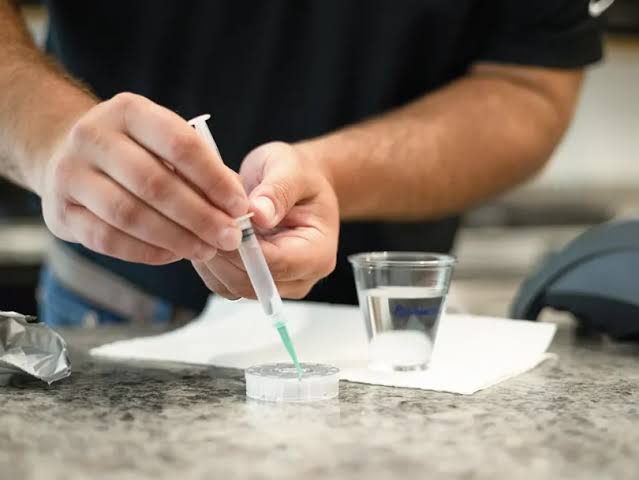
For households concerned about water quality, testing is often the most sensible starting point. A basic test can provide information about hardness, pH, certain minerals, and other characteristics. More detailed testing may be appropriate when there are known environmental concerns or unusual changes in water quality.
If you’re using a private well, regular testing becomes especially important because private wells aren’t monitored in exactly the same way as public water supplies. Heavy rain, flooding, nearby agricultural activity, or changes in groundwater conditions can affect a well.
And don’t ignore sudden changes. A new metallic taste, unusual smell, discoloration, or persistent sediment deserves attention, even if the water looked perfectly normal before.
Maintenance Matters More Than People Think
Installing a treatment system is only half the job. Filters need replacing, softeners need servicing, and storage tanks or plumbing components may require cleaning.
A neglected filter can become less effective, while poorly maintained equipment can create its own problems. Always follow the manufacturer’s maintenance schedule and replace consumable components when they’re due.
It sounds boring, admittedly, but water treatment equipment isn’t something you want to install and then forget about for five years.
A Smarter Approach to Better Water
Good water quality isn’t necessarily about making water “more purified” at any cost. It’s about understanding what’s actually in your water and choosing treatment that addresses a genuine need.
Start with the source. Consider your local water report if you’re connected to a public system, or arrange appropriate testing if you use a private supply. Look at your plumbing, too. Then choose treatment based on evidence rather than advertising claims.
Ultimately, clean water is about more than a sparkling glass on the kitchen counter. It’s about reliable infrastructure, sensible treatment, regular maintenance, and knowing enough to ask the right questions. Once you understand those pieces, improving your home’s water quality becomes a much simpler — and more practical — task.