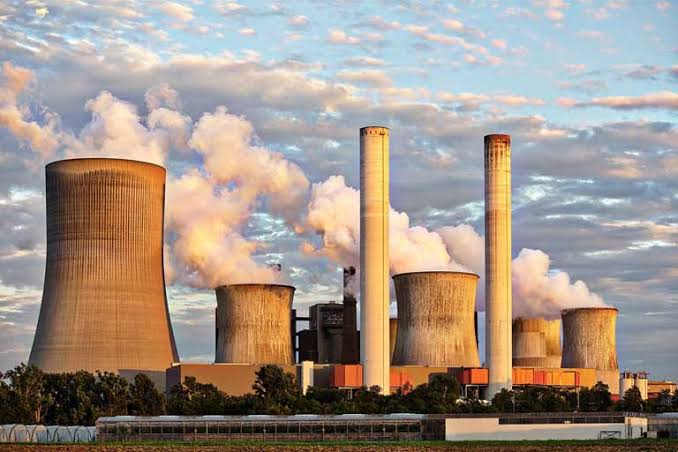
There’s a very specific kind of silence that happens when the power goes out. The fridge hum stops. The little charging light on your laptop blinks off. Somewhere in another room, a fan slows down and dies. It’s such a small thing, technically, but it always feels bigger than it is, doesn’t it? Like the house itself just held its breath.
Most of us don’t think about electricity until it’s gone. That’s just human nature, I think. We’re wired (pun very much intended) to notice absence more than presence. And power outages, whether they last five minutes or five hours, have this way of reminding us how much we quietly depend on something we never actually look at.
The Box in the Corner Nobody Thinks About
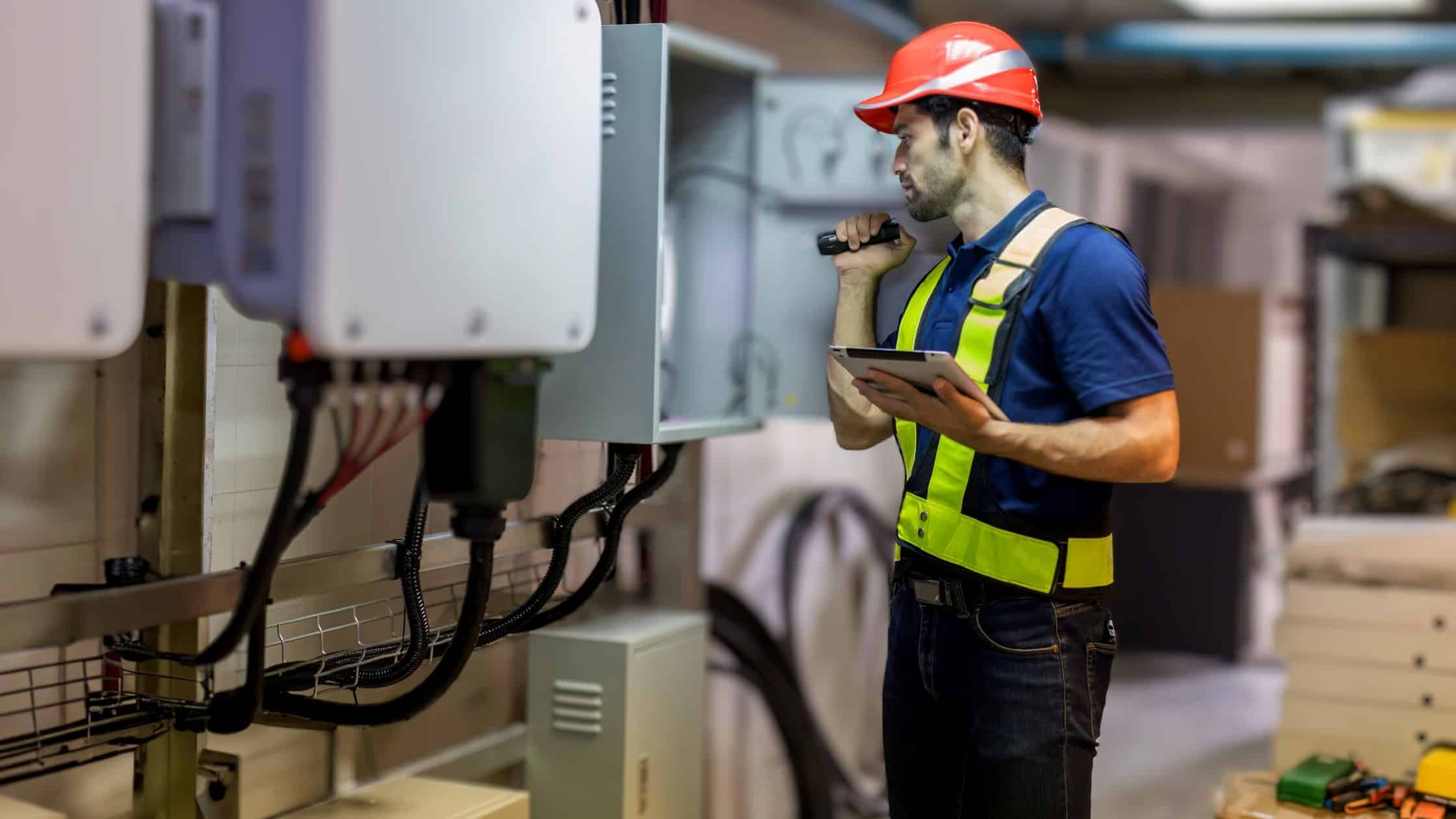
If you’ve ever had an electrician over for literally any reason, there’s a good chance they spent some time standing in front of a metal box in your garage or hallway closet, squinting at it. That’s your panel — the actual nerve center of your home’s electrical system. And breaker panels, despite looking like the most boring object in your entire house, are honestly one of the most important pieces of safety equipment you own.
Think of it like this: every circuit in your home funnels back to that box. It’s the thing standing between “everything’s fine” and “something just caught fire.” When a circuit gets overloaded, the breaker trips, cutting power before things get dangerous. It’s a small, unglamorous mechanism, but it’s doing genuinely serious work every single day, mostly without you ever noticing.
Old panels, though, can start to struggle. Corrosion builds up. Breakers wear out and stop tripping the way they should, which — and I can’t stress this enough — is actually the scarier version of a “problem.” A breaker that doesn’t trip when it should is way more dangerous than one that trips too often.
Why Some Places Can’t Afford to Go Dark
For most of us, a power outage is annoying. You light some candles, maybe complain a little, wait it out. But for certain buildings, that’s not really an option. Hospitals, data centers, certain manufacturing setups — these places need something closer to continuous operation, where even a brief interruption isn’t just inconvenient, it’s genuinely risky. A server room going dark for even a few minutes can mean lost data worth a small fortune. A hospital losing power mid-procedure isn’t something anyone wants to imagine.
That’s where backup systems and proper planning come into play, layered redundancies designed specifically so a single outage doesn’t cascade into something much worse. It’s a different level of thinking about electricity entirely — not “what if this fails” but “when this fails, what happens next, and how fast can we recover.”
The Boring Prep That Actually Matters
I think what strikes me most about all this is how much of it comes down to preparation nobody sees. The moment the lights come back on after an outage, that’s the visible part. But the reason they come back on quickly, the reason nothing got damaged in the meantime, that’s all invisible groundwork laid down long before anything went wrong.
It’s a bit like insurance, honestly. You don’t think about it until you need it, and by then it’s either there for you or it isn’t. There’s no in-between moment to fix things once the lights are already off.
A Quiet Kind of Reliability
I don’t think most people need to become electrical experts, and honestly, they shouldn’t have to. But there’s something worth appreciating in understanding, even loosely, what’s happening behind the walls of your own home or business. It’s not about anxiety, it’s about respect, really — respect for a system that’s doing a genuinely important job every second of every day without asking for credit.
So next time the power flickers, even for a second, maybe give a small thought to everything happening behind that flicker. The panel doing its job. The wiring holding up under load. The quiet, constant work of keeping your lights on, your fridge cold, your life running normally. It’s easy to take for granted, right up until the moment it’s not there. And that’s usually when people finally start paying attention — a little later than they probably should have, but better late than never.