There’s a certain frustration that comes with discovering the same water quality problems in different parts of your home. The kitchen faucet collects sediment, the bathroom water has an unpleasant odor, and the washing machine occasionally shows signs of mineral buildup. Installing separate filters everywhere might seem like a reasonable solution, but there’s another approach worth considering.
Investing in water treatment at the point of entry allows homeowners to address specific water quality concerns before incoming water travels through the property’s plumbing system.
Rather than concentrating exclusively on drinking water, this approach considers how water is used throughout the household.
Of course, choosing the right equipment takes a little thought. Understanding your water supply, treatment priorities, and installation requirements can help you make an investment that delivers genuine everyday value.
Why Water Quality Deserves Attention Beyond the Kitchen
It’s easy to associate water filtration with drinking water alone. However, water plays an equally important role in bathing, laundry, cleaning, and the operation of household appliances.
Suspended sediment can collect in faucet aerators, while hardness minerals may contribute to scale formation inside certain appliances. Disinfectants used in municipal treatment can sometimes influence water taste and odor.
Each concern has different implications and requires an appropriate treatment method.
Before purchasing equipment, consider where you’re experiencing problems. Is the issue limited to drinking water, or does it affect several areas of the house?
That distinction can help determine whether centralized treatment would offer practical advantages.
There’s little reason to invest in extensive filtration when a smaller, dedicated system could adequately address your concerns.
Understanding How Centralized Water Treatment Works
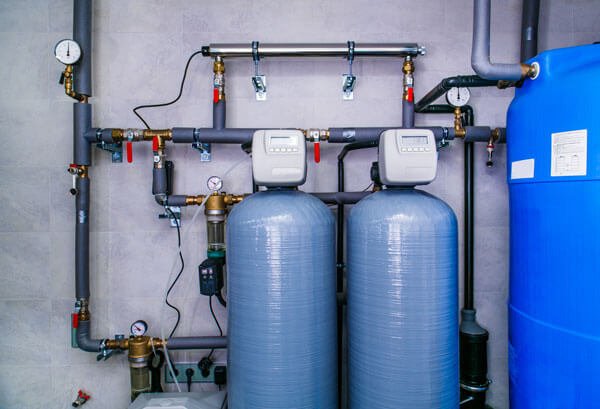
Instead of treating water after it reaches individual faucets, centralized equipment is generally installed near the home’s main water supply connection.
Modern point-of-entry water filtration solutions can incorporate several treatment technologies, depending on incoming water conditions and the specific substances homeowners want to reduce.
Sediment filters capture suspended particles such as sand, dirt, and rust. Activated carbon media can reduce certain tastes, odors, and contaminants through adsorption.
Specialized equipment may also address iron, manganese, hardness, or microbial concerns when properly selected and maintained.
The idea is straightforward: treat water before distributing it throughout connected household plumbing.
However, no single filter can handle every possible water quality problem. Combining appropriate technologies may be necessary when several concerns exist.
Reliable water testing helps determine which treatment stages are genuinely useful rather than simply adding unnecessary complexity.
Choosing a System That Can Keep Up With Your Household
A filtration system might perform perfectly when someone fills a single glass of water. But what happens when several household members use different fixtures simultaneously?
When comparing whole-home water filter systems, homeowners should consider peak water demand, incoming water pressure, treatment capacity, available installation space, and maintenance accessibility.
A family with multiple bathrooms and frequent laundry loads will likely need equipment with different specifications from a smaller household.
Undersized filters can restrict water flow, particularly as captured debris accumulates.
Ask your installer about expected pressure changes, filter capacity, and how frequently servicing may be required.
It’s also worth discussing bypass valves and whether outdoor faucets need treated water. Depending on your priorities, leaving certain outdoor connections untreated could reduce unnecessary treatment demand.
These practical considerations can make a considerable difference over the equipment’s operating life.
Getting Your Water Tested Before Making a Purchase
Shopping for filtration equipment without understanding your water is a little like buying replacement parts before finding out what’s wrong with your car.
You might get lucky, but there’s a reasonable chance you’ll spend money unnecessarily.
Municipal water customers can begin by reviewing their supplier’s drinking water quality reports. Appropriate laboratory testing can provide additional information about concerns specific to their property.
Private well owners should arrange regular testing suited to their water source and surrounding conditions.
Remember that pleasant-tasting water isn’t necessarily free from harmful contaminants. Similarly, hardness-related deposits don’t automatically mean water is unsafe to drink.
Testing provides a clearer picture of what treatment is needed and helps establish realistic expectations about the results.
Knowing When Filtration Needs Additional Support
One common misunderstanding is that installing a centralized filter will automatically solve every water-related problem.
Ordinary sediment and carbon filtration doesn’t generally remove hardness minerals. A suitable water softener performs that particular task through ion exchange.
Reverse osmosis may be appropriate at a dedicated drinking water faucet when specific dissolved contaminants need to be reduced.
Water containing harmful microorganisms may require validated disinfection technology and appropriate pretreatment.
It’s also important to consider that removing disinfectant residuals from incoming municipal water can affect microbial growth conditions within household plumbing.
Professional system design and consistent maintenance are therefore particularly important.
Looking After Your Equipment Without Overcomplicating Things
Water treatment equipment needs regular attention to remain effective.
Sediment cartridges eventually become loaded with captured particles, while carbon media gradually lose their treatment capacity.
Follow manufacturer servicing recommendations, monitor unexpected pressure changes, and keep track of replacement dates.
Before purchasing equipment, ask about ongoing expenses, replacement component availability, and professional servicing requirements.
Periodic testing can also help verify performance, particularly when treatment addresses health-related contaminants.
A manageable maintenance schedule is far easier to deal with than discovering that neglected equipment is no longer performing as expected.
Making a Thoughtful Investment in Everyday Water Quality
Improving water throughout your property doesn’t necessarily require the most expensive treatment equipment available.
Start by understanding your water supply, identify the concerns that matter most, and choose technology with verified performance.
A well-designed filtration system should quietly support your household without demanding constant attention.
From preparing breakfast to washing clothes and enjoying an evening shower, water is woven into nearly everything we do at home. Giving its quality a little thoughtful attention can make those ordinary experiences more comfortable and convenient for years to come.