Oklahoma weather has a personality of its own. Summers can be brutally hot, winters can turn cold without much warning, and spring often brings a little bit of everything. For homeowners and businesses, keeping indoor spaces comfortable throughout these changes takes more than simply having an air conditioner or furnace. The right equipment, proper maintenance, and thoughtful energy use all matter.
Finding an energy-efficient way to heat and cool a property can make everyday comfort easier while helping control rising utility costs. Modern HVAC systems are designed to deliver dependable performance without constantly running at maximum capacity, but choosing the right system is only part of the equation.
Why Oklahoma’s Climate Demands Reliable HVAC Systems
Oklahoma’s climate can put serious pressure on heating and cooling equipment. During summer, air conditioners may run for long hours as temperatures climb. In winter, furnaces and heat pumps can suddenly become essential when cold fronts move through.
Frequent changes in outdoor temperature also make system reliability important. An HVAC unit that’s already struggling may have difficulty maintaining a steady indoor temperature when weather conditions become extreme.
That’s why homeowners shouldn’t wait for the first major breakdown before thinking about HVAC care. Regular inspections, filter changes, airflow checks, and timely repairs can keep equipment working more efficiently when it’s needed most.
Comfort Isn’t Just About the Thermostat
It’s easy to think of comfort as simply setting the thermostat to 72 or 75 degrees. In reality, indoor comfort depends on several factors, including airflow, humidity, insulation, ductwork, and the condition of the HVAC equipment.
You may have experienced the classic situation where one bedroom feels freezing while the living room remains warm. That’s not necessarily a thermostat problem. Uneven airflow, poorly designed ductwork, blocked vents, or an improperly sized system can all contribute to temperature differences.
For businesses, inconsistent comfort can be even more noticeable. Employees spend hours inside the building, while customers and visitors form impressions based partly on how comfortable the environment feels.
Choosing Systems for Homes and Businesses
HVAC requirements vary considerably between residential and commercial properties. A three-bedroom home doesn’t have the same heating and cooling needs as a restaurant, warehouse, retail store, or office building.
System size is particularly important. Bigger doesn’t automatically mean better. An oversized air conditioner may cool a room quickly but cycle too frequently, which can affect efficiency and humidity control. An undersized unit, meanwhile, may run continuously while still struggling to reach the desired temperature.
Professional load calculations can help determine the appropriate equipment capacity. Factors such as square footage, insulation, windows, occupancy, building orientation, and local climate conditions all play a role.
Maintenance Can Make a Noticeable Difference
Regular HVAC maintenance isn’t exciting, but it is one of the easiest ways to protect your investment. A dirty filter can restrict airflow, while a neglected outdoor condenser can struggle to release heat effectively.
Seasonal service may include checking electrical components, inspecting refrigerant levels, cleaning coils, examining ductwork, and testing system controls. These checks can reveal small problems before they become expensive failures.
For homeowners, this may mean fewer unpleasant surprises on the hottest day of the year. For businesses, preventive maintenance can be even more valuable because an HVAC breakdown may interrupt normal operations.
Modern Technology Can Improve Efficiency
Today’s HVAC equipment offers several technologies designed to improve performance. Variable-speed systems, smart thermostats, heat pumps, zoning controls, and high-efficiency compressors can all contribute to better energy management when properly selected.
A smart thermostat, for example, can automatically adjust temperatures according to occupancy and daily schedules. Zoning systems can provide different temperature settings for different parts of a building, which may be useful when certain rooms are rarely occupied.
However, technology should solve a real problem rather than simply add features. A professional assessment can help determine which upgrades make sense for a particular property.
Preparing for Hot Oklahoma Summers
Summer preparation should begin before the first major heatwave. An air conditioner that has been sitting idle for months deserves a little attention before being asked to run continuously.
Homeowners can start by replacing old filters and checking that outdoor equipment is free from leaves, grass, and other debris. Vents should remain unobstructed, and unusual noises or weak airflow shouldn’t be ignored.
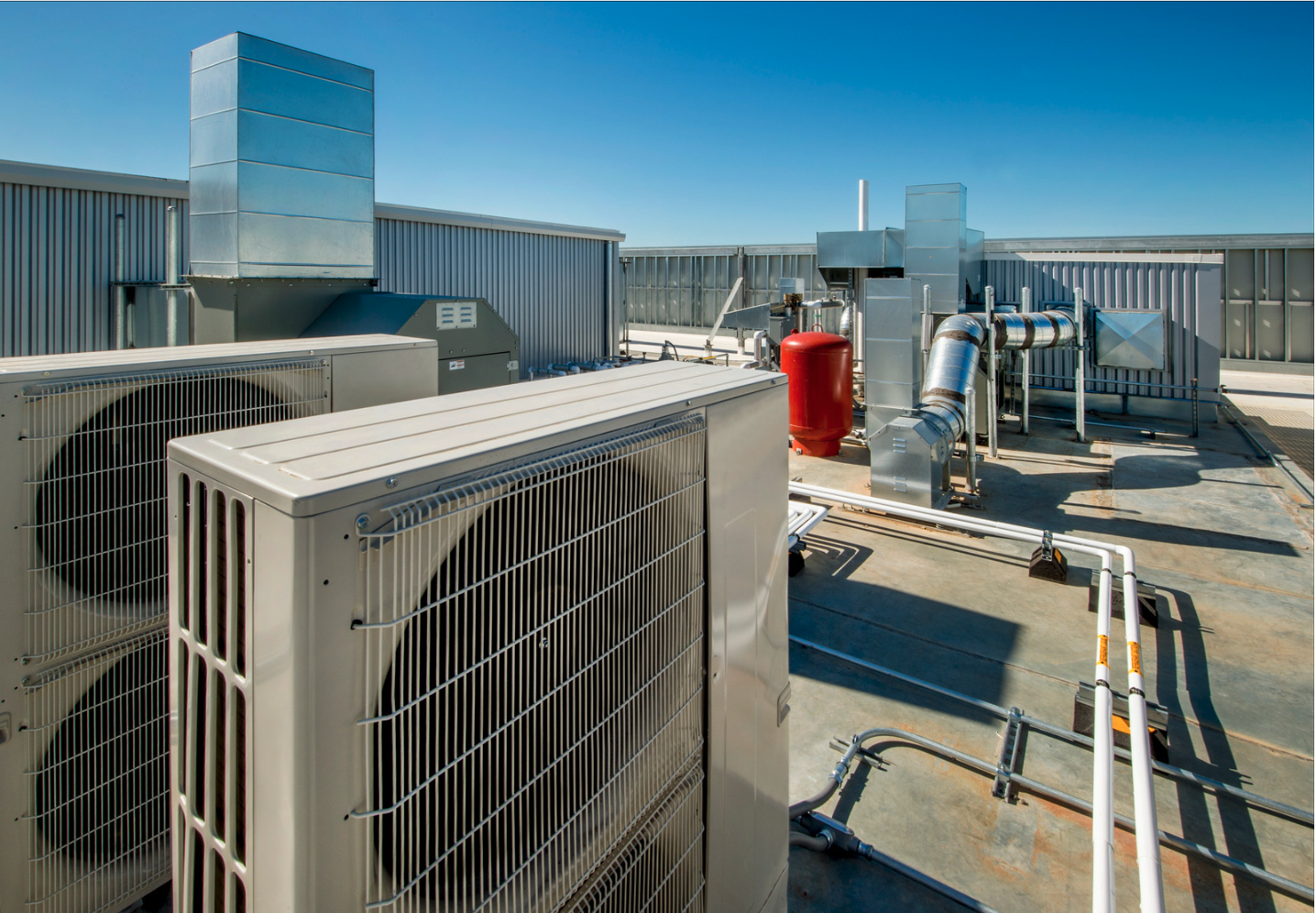
For commercial buildings, preparation can be more involved. Larger systems may require scheduled inspections, belt checks, electrical testing, and detailed performance assessments. Taking care of these tasks before peak demand can reduce the chance of an inconvenient breakdown.
Winter Preparation Matters Too
Oklahoma winters may not always be severe, but when temperatures fall, heating equipment needs to respond quickly. Furnaces, heat pumps, and other heating systems should be checked before the coldest part of the season.
A professional technician can inspect safety controls, electrical connections, airflow, and other critical components. Early attention is especially important for older equipment that has already shown signs of declining performance.
Simple household habits help, too. Keeping vents open, avoiding furniture directly over registers, and maintaining clean filters can support proper airflow.
Thinking Beyond Immediate Energy Savings
Energy efficiency isn’t just about reducing one month’s utility bill. Efficient HVAC operation can also reduce unnecessary equipment wear and improve long-term reliability.
Better insulation and sealed ductwork can prevent conditioned air from escaping. A properly programmed thermostat can reduce unnecessary heating and cooling when nobody is home. Even small improvements can become meaningful over months and years.
For property owners considering a replacement, comparing efficiency ratings, operating costs, warranties, and expected equipment lifespan is usually more useful than focusing solely on the initial purchase price.
Finding the Right HVAC Partner
Working with a trusted HVAC company can make maintenance, repairs, and equipment replacement considerably less stressful. Look for professionals who take time to inspect the property, explain the available options, and recommend solutions based on actual heating and cooling requirements.
The cheapest quote isn’t always the best value, particularly when installation quality can affect equipment performance for years.
Ultimately, Oklahoma’s unpredictable weather makes dependable HVAC more than a convenience. It’s part of creating a comfortable, functional home or workplace. With properly selected equipment, regular maintenance, and sensible energy practices, property owners can stay comfortable through scorching summers and chilly winters without asking their HVAC system to do more work than necessary.