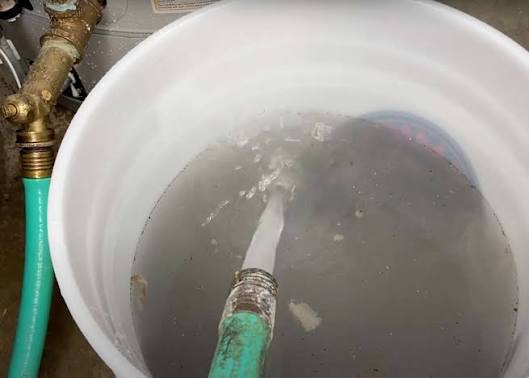
Water is one of those things most of us barely think about until something feels off. Maybe the shower leaves your skin unusually dry. Maybe glasses come out of the dishwasher looking cloudy, even though they’re technically clean. Or perhaps the water from the kitchen faucet has a faint chlorine taste that makes everyone reach for bottled water instead.
None of these problems necessarily mean the water is unsafe. Water quality is more complicated than a simple good-or-bad label. Minerals, disinfectants, sediment, odors, aging plumbing, and local water conditions can all influence what eventually reaches a glass, washing machine, or showerhead.
That’s why improving water at home usually starts with understanding the problem rather than buying the first filter on the shelf.
Looking Beyond Drinking Water
It’s easy to focus only on the kitchen sink when talking about filtration. After all, that’s the water we drink and cook with. But a household uses water practically everywhere—showers, laundry, dishwashing, cleaning, appliances, even the garden in some cases.
When mineral-heavy or otherwise troublesome water runs throughout a house, treating a single faucet may only solve a small piece of the problem.
For homeowners dealing with broader concerns, whole home water treatment can make more sense because water is addressed before—or as—it moves through the home’s plumbing system. Depending on the actual water conditions, treatment might focus on sediment, hardness, chlorine, unpleasant odors, iron, or a combination of issues.
The important bit is that the system should match the water. Bigger isn’t automatically better, and neither is more complicated.
Why Testing Comes Before Equipment
There’s a temptation to diagnose water by appearance or taste. Unfortunately, water doesn’t always cooperate with our senses.
A metallic taste might suggest one issue but have another cause entirely. White buildup around a faucet commonly points toward hardness, while staining can sometimes indicate iron or other minerals. And some water-quality concerns aren’t particularly noticeable at all.
Testing provides a clearer starting point. Once you know what’s present, you can decide whether the situation calls for softening, filtration, purification, or simply a smaller point-of-use solution.
It also helps prevent over-treatment. Nobody wants to install three pieces of equipment when one properly selected system could have handled the job.
The Quiet Cost of Hard Water
Hard water is a good example of a problem that can seem minor at first.
A little scale around the showerhead? Annoying, sure. Soap that doesn’t lather quite as easily? Not exactly an emergency.
Over time, though, mineral deposits can collect around fixtures and inside appliances that regularly heat or move water. Homeowners may find themselves scrubbing shower doors more often, using additional detergent, or wondering why freshly washed dishes still have spots.
Water heaters and other water-using appliances can also be affected by scale accumulation. This is why water treatment isn’t always just about drinking quality. Sometimes it’s about making everyday household routines less frustrating and protecting equipment from unnecessary buildup.
Getting Away From the Bottled-Water Routine
Then there’s drinking water.
Plenty of families develop a bottled-water habit without really planning to. A case gets picked up during the weekly grocery run, then another. Soon there are half-empty bottles in the car, recycling bins filling faster than expected, and somebody inevitably discovering that the last cold bottle disappeared overnight.
For households, offices, waiting rooms, and shared spaces, bottleless water coolers & dispensers offer a different approach. Rather than constantly replacing large bottles or buying cases of individual ones, these systems connect to a water supply and typically incorporate filtration before dispensing water.
The convenience is probably the biggest attraction. Cold or drinking water is simply available when needed, without storing bulky replacement bottles.
It can also reduce the routine of ordering, lifting, storing, and disposing of containers—a surprisingly nice improvement once you’re used to it.
Sometimes the Problem Is Very Specific
Not every home needs a broad treatment setup.
Water conditions vary from one property to another, sometimes even between homes located fairly close together. Municipal supply characteristics, private wells, plumbing materials, and the age of a house can all influence the final result at the faucet.
That’s where specialty filtration becomes useful. Instead of approaching every water issue with the same equipment, a targeted system can be selected for a particular concern identified through testing or professional evaluation.
This matters because filtration isn’t a single technology. Different media and treatment methods are designed to address different substances or characteristics. Choosing equipment without knowing the underlying issue is a little like buying medicine before figuring out what’s causing the headache.
Maintenance Matters More Than People Expect
Even an excellent water treatment system won’t remain excellent forever without attention.
Filters eventually need replacement. Salt-based softeners need appropriate upkeep. Some systems require periodic sanitizing or inspection, and treatment media can have a finite service life.
It’s not glamorous maintenance, but neither is changing an HVAC filter or cleaning the lint trap. Small routine tasks keep equipment doing what it was installed to do.
When choosing a system, it’s worth asking about maintenance frequency and long-term replacement costs upfront. An inexpensive unit that needs unusually frequent cartridges might cost more over several years than a better-designed alternative.
Better Water Should Make Daily Life Easier
The best water treatment setup isn’t necessarily the one with the most impressive equipment lined up in the garage. It’s the one that quietly solves the problems a household actually has.
Maybe that means fewer mineral deposits on fixtures. Maybe clothes feel better after washing, drinking water tastes cleaner, or the family finally stops hauling bottled water home every weekend.
Start with the water itself. Test it, identify what’s worth addressing, and choose treatment around those findings rather than assumptions.
When that’s done properly, better water becomes almost invisible. You simply turn on the faucet, take a shower, run the dishwasher, or fill a glass—and don’t have to think much about it anymore. That’s probably the point.