
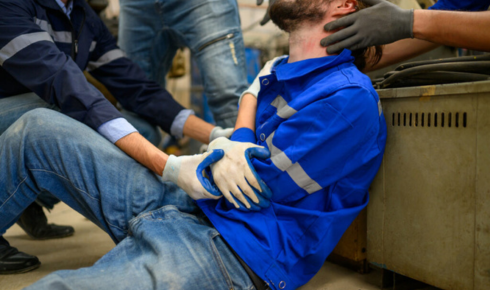
Life usually runs on a sense of control. People plan their days, manage responsibilities, and expect a certain level of predictability. But when an accident happens, that sense of control can disappear almost instantly.
In East Texas, where daily life often depends on staying active, working consistently, and managing responsibilities, this sudden loss of control can feel overwhelming. For those trying to understand how these real-life challenges connect to personal injury situations, consulting an experienced East Texas Personal Injury Lawyer can help provide clarity on how uncertainty is viewed in context.
The Sudden Shift From Control to Uncertainty
Before an injury, most decisions feel manageable. Afterward, even simple things can feel uncertain.
This shift may involve:
- Not knowing how long recovery will take
- Being unsure about returning to normal activities
- Facing unexpected changes in routine
What was once predictable can suddenly feel unclear.
Why Uncertainty Feels So Difficult
Uncertainty creates stress because it removes the ability to plan with confidence.
People may start asking:
- What happens next?
- When will things improve?
- Will life go back to the way it was?
Without clear answers, even small decisions can feel heavier.
Everyday Control Gets Disrupted
An injury doesn’t just affect big decisions—it can impact everyday control.
This might include:
- Needing help with routine tasks
- Changing how daily responsibilities are handled
- Losing independence in small but noticeable ways
These shifts can make daily life feel unfamiliar.
The Challenge of Not Having Clear Timelines
One of the hardest parts of uncertainty is not knowing how long things will last.
Unlike a scheduled event, recovery and adjustment don’t always follow a set timeline.
This can lead to:
- Difficulty planning ahead
- Hesitation in making commitments
- Feeling stuck between waiting and acting
Time becomes less predictable.
Adjusting to a New Sense of Normal
Over time, people often begin to adapt to their situation, even if it wasn’t expected.
This adjustment may involve:
- Creating new routines
- Finding alternative ways to handle tasks
- Redefining what “normal” looks like
While change can be uncomfortable, adaptation helps restore a sense of stability.
Regaining Small Areas of Control
Even when big uncertainties remain, small actions can help rebuild control.
This can include:
- Focusing on daily goals
- Keeping a consistent routine where possible
- Making decisions step by step
These small steps can create a sense of progress.
Why Control Matters in Recovery
Having a sense of control—even in small ways—can make a significant difference.
It helps:
- Reduce stress
- Improve confidence in decision-making
- Create a clearer path forward
Control doesn’t have to be complete to be meaningful.
Understanding the Bigger Picture
Uncertainty is a natural part of many personal injury situations. It doesn’t mean things are going wrong—it often means the situation is still developing.
Recognizing this can help individuals:
- Be more patient with the process
- Avoid rushing decisions
- Focus on gradual improvement
Perspective plays an important role in how uncertainty is handled.
Final Thoughts
In East Texas, personal injuries often bring more than physical challenges—they introduce a period of uncertainty where control feels limited. From disrupted routines to unclear timelines, this phase can be one of the most difficult parts of the experience.
Understanding how uncertainty affects daily life helps highlight an important reality: recovery isn’t just about physical healing—it’s also about learning to navigate the unknown while gradually rebuilding a sense of control.