
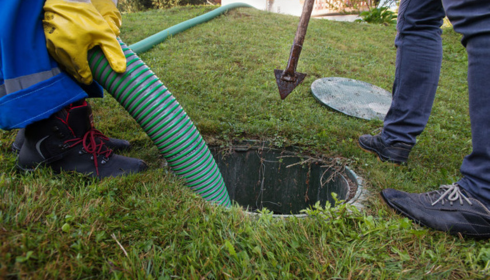
Homeowners often inherit a mix of outdated advice and guesswork about septic tanks, and that misinformation can lead to unnecessary stress or unexpected repair bills. Septic tank pumping Huntsville AL services often report that many issues begin with false assumptions about how often a system needs maintenance. A clearer understanding of tank size, usage, and waste volume helps people make smarter decisions without overcomplicating the process.
Myths About One-Size-Fits-All Septic Tank Pumping Schedules
A widespread belief suggests that every septic system should follow the exact same pumping schedule. Many assume that a simple “pump every three years” guideline applies universally, but actual timing depends on variables such as tank size, wastewater volume, lifestyle patterns, and the type of solids entering the system. Septic tank pumping works best when intervals are adjusted to match the household’s actual usage rather than generic timelines.
Owners sometimes discover that their tanks fill faster or slower than expected, especially if the home uses older plumbing fixtures or has inconsistent water flow. These shifts in daily habits often change the buildup rate, requiring a personalized schedule that keeps the system working without unnecessary service calls.
Misunderstandings Surrounding Tank Volume and Service Timing
People often underestimate the role that tank capacity plays in determining pumping needs. A larger tank may extend the time between services, but only if the wastewater volume remains steady. Smaller tanks serving busy households tend to reach capacity quickly, making septic tank pumping a more frequent necessity.
Another misconception is that tank volume alone dictates maintenance timing. The makeup of the solids inside—grease, household waste, paper products, or organic debris—can alter how quickly sludge forms at the base of the tank. This combination frequently shifts service expectations and requires closer observation of household habits.
Incorrect Assumptions About Household Size and Pumping Needs
A common misconception ties the number of people in a home directly to pumping intervals, but occupancy alone doesn’t predict system demands. Two families of equal size can produce different waste loads depending on how much laundry they run, how often they cook, and the efficiency of their fixtures. Septic tank cleaning professionals often find that water usage patterns matter more than headcount. Assumptions about expected water output can lead to unnecessary strain on septic tanks. Homes with frequent guests, remote work schedules, or high appliance use may need more frequent monitoring even if the official resident count stays the same.
Confusion Over How Wastewater Flow Affects Pumping Frequency
Many homeowners don’t realize how the rhythm of water use influences pumping frequency. Heavy bursts of flow—such as back-to-back showers, running multiple appliances, or high daily laundry loads—push solids farther into the tank, shortening the time between services. Slower and steadier flow gives solids a chance to settle properly.
Rushing wastewater through the tank can disrupt normal settling patterns. This may cause solids to remain suspended longer, which accelerates sludge accumulation and demands more consistent septic tank pumping Huntsville AL services to maintain system efficiency.
Beliefs That Older Systems Require the Same Intervals as New Ones
Older septic systems behave differently than newer ones, mainly due to aging components, reduced drainage field efficiency, and outdated construction standards. Assuming that both require the same maintenance timelines introduces unnecessary risk. Older systems tend to benefit from earlier inspections to prevent backups and avoid excessive pressure on worn-out parts.
More modern tanks often include improved baffling, better filtration, and enhanced flow control. These upgrades help slow sludge buildup, but they don’t eliminate it, and owners should still pair service timing with real usage rather than arbitrary guidelines.
Misjudgments About Sludge Buildup Rates in Different Tank Sizes
People often believe that larger tanks take significantly longer to fill, but sludge accumulation depends not just on size but also on waste type and household activity. A big tank receiving heavy daily flow may require service sooner than a smaller tank used sparingly. Septic tank cleaning schedules should follow measured buildup rather than expectations based on capacity alone.
Tank shape, internal baffling, and the amount of organic matter entering the system also influence sludge behavior. These factors explain why two seemingly similar tanks can have drastically different pumping requirements.
Oversights Regarding Seasonal Usage and Pump-Out Timing
Vacation homes, rental cabins, and properties with fluctuating occupancy often face unpredictable septic tank demands. Heavy seasonal usage can cause sudden spikes in wastewater flow, requiring pumping sooner than owners assume. Off-season periods do not always reduce the need for maintenance because sludge continues to settle even without heavy daily use.
Even garden irrigation and seasonal water habits can influence septic tanks indirectly. Soil saturation around the drain field may slow drainage during certain times of the year, making timely pumping even more important.
False Expectations About Pumping Needs for Light-Use Properties
Light-use properties are often assumed to require little or no pumping, but this assumption ignores how solids behave over long periods. Even with minimal wastewater volume, sludge still accumulates slowly and can form a hardened layer that becomes harder to remove if ignored for too long. Scheduled septic tank pumping prevents this buildup from causing long-term damage.
Another overlooked issue involves infrequent flushing and inconsistent water flow. Low movement inside the tank can sometimes allow solids to compact more quickly, making routine septic tank pumping a smart preventive measure regardless of use level. Homeowners looking for dependable care can refer to service details provided by Cora Landscape for accurate information about proper maintenance timing.